
Car disassembly projects represent one of the most effective pedagogical approaches for teaching automotive mechanics to students. These hands-on learning experiences allow students to move beyond theoretical textbook knowledge and engage directly with the complex systems that power modern vehicles. Through systematic teardown and analysis, students develop critical thinking skills, technical proficiency, and a deep understanding of how mechanical components work together. Car disassembly projects transform abstract engineering concepts into tangible learning opportunities that students can see, touch, and manipulate.
The educational value of car disassembly projects extends far beyond simple component identification. Students engaged in these activities develop troubleshooting abilities, learn proper tool usage, understand assembly sequences, and grasp the interdependencies between different vehicle systems. This comprehensive approach to mechanical education prepares students for real-world automotive careers while building confidence in their technical capabilities. Educational institutions worldwide have recognized that car disassembly projects bridge the gap between classroom instruction and professional practice.
Car disassembly projects embody the principles of active learning by requiring students to physically engage with mechanical systems. Unlike passive observation or lecture-based instruction, these projects demand that students make decisions, solve problems, and experience the consequences of their actions in real time. When students remove an engine component during car disassembly projects, they immediately understand its weight, attachment method, spatial relationship to other parts, and functional role within the system. This multisensory engagement creates stronger neural pathways and more durable knowledge retention than traditional teaching methods.
The tactile nature of car disassembly projects helps students develop mechanical intuition that cannot be gained through diagrams alone. They learn to recognize the difference between a seized bolt and one that simply requires more torque, understand how gasket surfaces must align, and appreciate the precision required in mechanical assembly. These subtle lessons emerge naturally from hands-on work with actual vehicle components during car disassembly projects.
Car disassembly projects teach students to approach complex mechanical systems methodically. Students must plan their disassembly sequence, document component locations, identify fastener types, and track removed parts. This systematic approach mirrors professional automotive repair procedures and instills habits that students will use throughout their careers. During car disassembly projects, students encounter obstacles that require creative problem-solving, such as accessing hidden fasteners or supporting components safely during removal.
The problem-solving skills developed through car disassembly projects transfer readily to other technical domains. Students learn to break down complex problems into manageable steps, anticipate consequences of their actions, and adapt their approach when initial strategies prove ineffective. These cognitive skills represent some of the most valuable outcomes from car disassembly projects in educational settings.
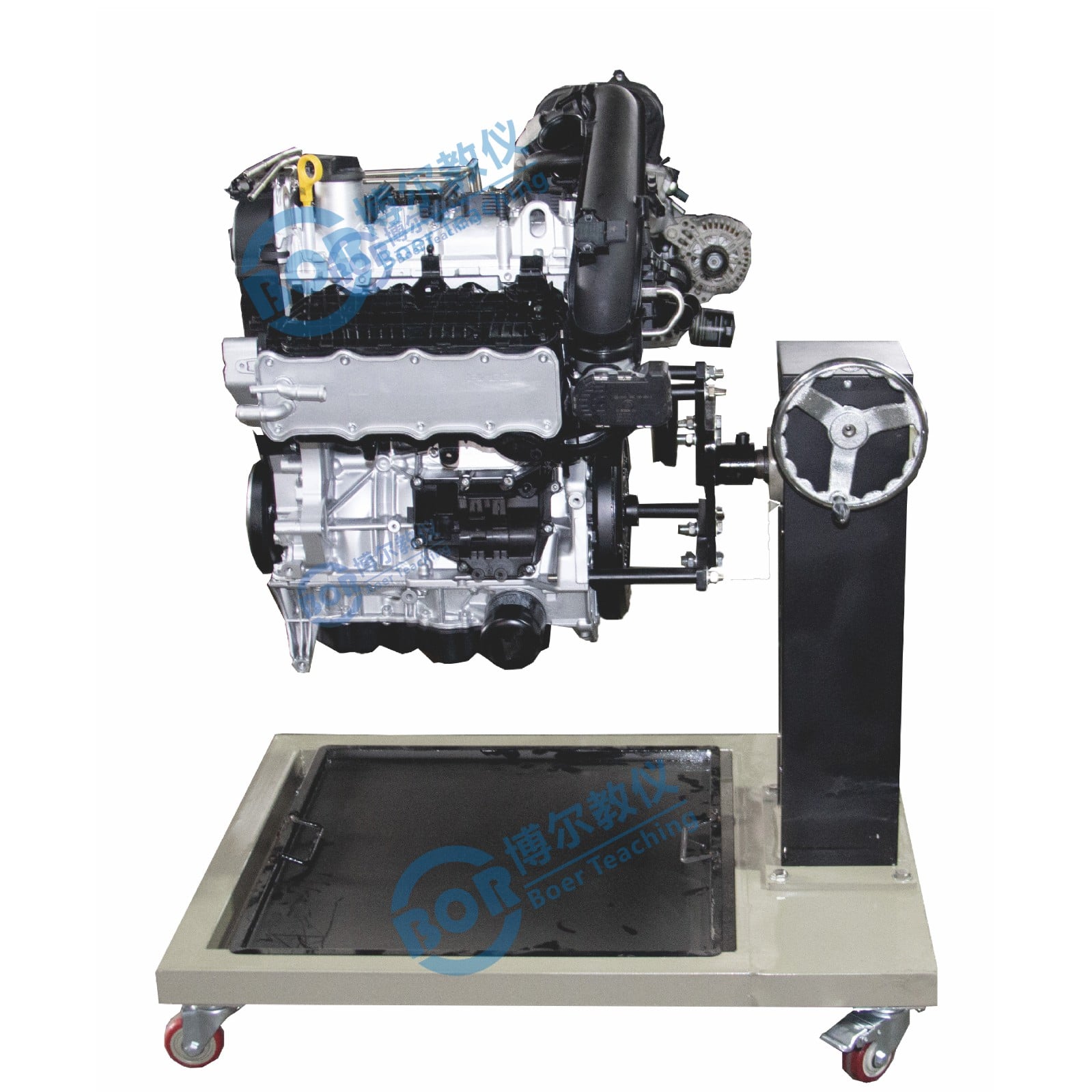
One of the primary learning objectives in car disassembly projects involves accurate component identification. Students must learn to recognize dozens of parts, from major assemblies like transmissions and cylinder heads to smaller components such as sensors, valves, and bearings. Car disassembly projects provide repeated exposure to these components in their actual operating context, helping students build a mental library of mechanical parts. This recognition ability proves essential when students later diagnose problems or order replacement parts in professional settings.
Through car disassembly projects, students discover that component identification extends beyond simple naming. They learn to assess component condition, recognize wear patterns, identify failure modes, and determine whether parts can be reused or require replacement. These evaluative skills distinguish competent technicians from those who merely follow instructions. Car disassembly projects create natural opportunities for instructors to demonstrate these assessment techniques with actual worn components.
Modern vehicles contain multiple integrated systems, and car disassembly projects reveal how these systems interconnect. Students discover that removing the intake manifold requires disconnecting fuel lines, vacuum hoses, electrical connectors, and coolant passages. These discoveries during car disassembly projects illustrate that automotive systems function as coordinated networks rather than isolated components. Students gain appreciation for system-level thinking as they track how single components serve multiple functions across different vehicle systems.
The interdependency lessons from car disassembly projects prepare students for the diagnostic reasoning required in professional automotive work. When a single malfunction affects multiple vehicle systems, technicians must understand these connections to identify root causes efficiently. Car disassembly projects provide the foundational knowledge that enables this sophisticated diagnostic thinking by revealing physical relationships between components and systems.
Car disassembly projects offer essential training in proper tool selection and usage. Students learn which tools suit specific fasteners, how to apply force safely and effectively, and when specialized tools become necessary. The hands-on nature of car disassembly projects allows students to develop tactile familiarity with hand tools, power tools, and measuring instruments. This tool proficiency forms the foundation of mechanical competence and cannot be adequately developed without extensive hands-on practice through car disassembly projects.
Safety consciousness emerges naturally from car disassembly projects as students encounter potential hazards firsthand. They learn to support heavy components properly, wear appropriate personal protective equipment, handle fluids safely, and maintain organized workspaces. These safety habits, developed during car disassembly projects, become ingrained behaviors that protect students throughout their careers. Instructors use car disassembly projects to demonstrate safety principles in contexts where their importance becomes immediately apparent.
Professional automotive work requires clear documentation and communication, skills that car disassembly projects help develop. Students typically document their disassembly process through photographs, sketches, or written notes during car disassembly projects. This documentation practice teaches students to record critical information, organize their observations, and communicate technical details effectively. The ability to describe mechanical systems clearly proves valuable when students later write service reports or explain repairs to customers.
Car disassembly projects also build teamwork and communication skills when students work in groups. They must coordinate their efforts, share tools and workspace, discuss technical decisions, and resolve disagreements constructively. These interpersonal skills complement the technical knowledge gained through car disassembly projects and prepare students for collaborative professional environments where automotive technicians rarely work in isolation.
Car disassembly projects engage multiple learning pathways simultaneously through physical interaction, visual observation, problem-solving, and real-time feedback. Students develop mechanical intuition, spatial reasoning, and procedural knowledge that cannot be adequately conveyed through lectures or diagrams alone. The hands-on nature of car disassembly projects creates memorable learning experiences that produce deeper understanding and longer knowledge retention compared to passive instructional methods.
Car disassembly projects develop the complete skill set required in professional automotive work, including component recognition, systematic troubleshooting, proper tool usage, safety consciousness, documentation practices, and teamwork abilities. Students gain confidence working with actual vehicle systems and learn to approach complex mechanical problems methodically. These practical competencies from car disassembly projects translate directly to workplace effectiveness and help students transition smoothly into professional roles.
Car disassembly projects require careful attention to safety protocols, including proper lifting techniques for heavy components, appropriate personal protective equipment, safe handling of automotive fluids, organized workspace management, and supervision by qualified instructors. Educational institutions implementing car disassembly projects must provide adequate workspace, proper tools, fluid disposal systems, and clear safety guidelines. When properly structured with appropriate safeguards, car disassembly projects provide safe learning environments that teach students professional safety practices they will use throughout their careers.
 EN
EN