 EN
EN

Why Sustainable Training Is Non-Negotiable in Modern Automotive Education
As the automotive world races toward electric vehicles and greener production methods, old school mechanic training just isn't cutting it anymore. Most existing programs still focus heavily on gas engines but miss out on what technicians really need today - things like handling high voltage batteries safely, figuring out regenerative braking issues, and knowing how to fix cars without creating unnecessary electronic trash. The problem? When mechanics aren't properly trained for EV work, there are serious safety risks involved. Plus, sticking with old ways means throwing away perfectly good components instead of reusing them. With EVs expected to take over most car markets within the next decade or so, colleges and vocational schools are scrambling to update their teaching materials. Schools that incorporate green thinking into their courses see real benefits. Mechanics who learn about circular economy concepts for part recycling and energy saving diagnostic techniques cut down carbon emissions by around 30 percent when doing repairs. These same mechanics also help keep cars on the road longer, which makes sense both environmentally and economically. Getting this right now means preparing workers for tomorrow's jobs and staying ahead of stricter environmental regulations coming down the pipeline.
Designing EV-Forward Training Modules with Safety and Competency at the Core
High-Voltage Safety Training as Foundational Training Requirement
Anyone working on electric vehicle systems over 60 volts DC needs proper safety training first. Before diving into any technical stuff, good programs start with basic high voltage safety rules that everyone just has to follow no matter what. Real world training should include getting dirty with PPE like those thick insulated gloves and special tools while also learning how to test isolations, check interlock circuits, and shut things down in emergencies through simulated classroom setups. These labs let trainees actually handle situations where something goes wrong with high voltage components without getting hurt. The numbers back this up too – people who skip out on fundamental training are around 72% more likely to get injured according to CSA Group data when they mess around with batteries later on. Good simulators that inject faults into the system really help trainees develop those automatic reactions needed for passing CSA Group's EV technician certification tests down the road.
Layered Technical Training: From Battery Systems to Regenerative Braking Diagnostics
Training for electric vehicles typically follows several distinct stages. Most programs begin with basic battery diagnostics since batteries are both costly and prone to failures. Technicians learn how to handle them safely, manage heat issues, and spot signs of degradation over time. The next level covers things like power electronics, those complex motor controllers, and how electricity flows through the vehicle's network. At the advanced stage, mechanics get into regenerative braking systems where they need to figure out if the car is capturing energy efficiently and understand how the computer blends regenerative force with traditional friction brakes. This step-by-step method works well because skills develop naturally as technicians move from simple tasks to more complicated ones involving multiple systems working together.
- Phase 1: Battery maintenance and voltage testing
- Phase 2: Power inverter and motor diagnostics
-
Phase 3: Holistic system integration and efficiency optimization
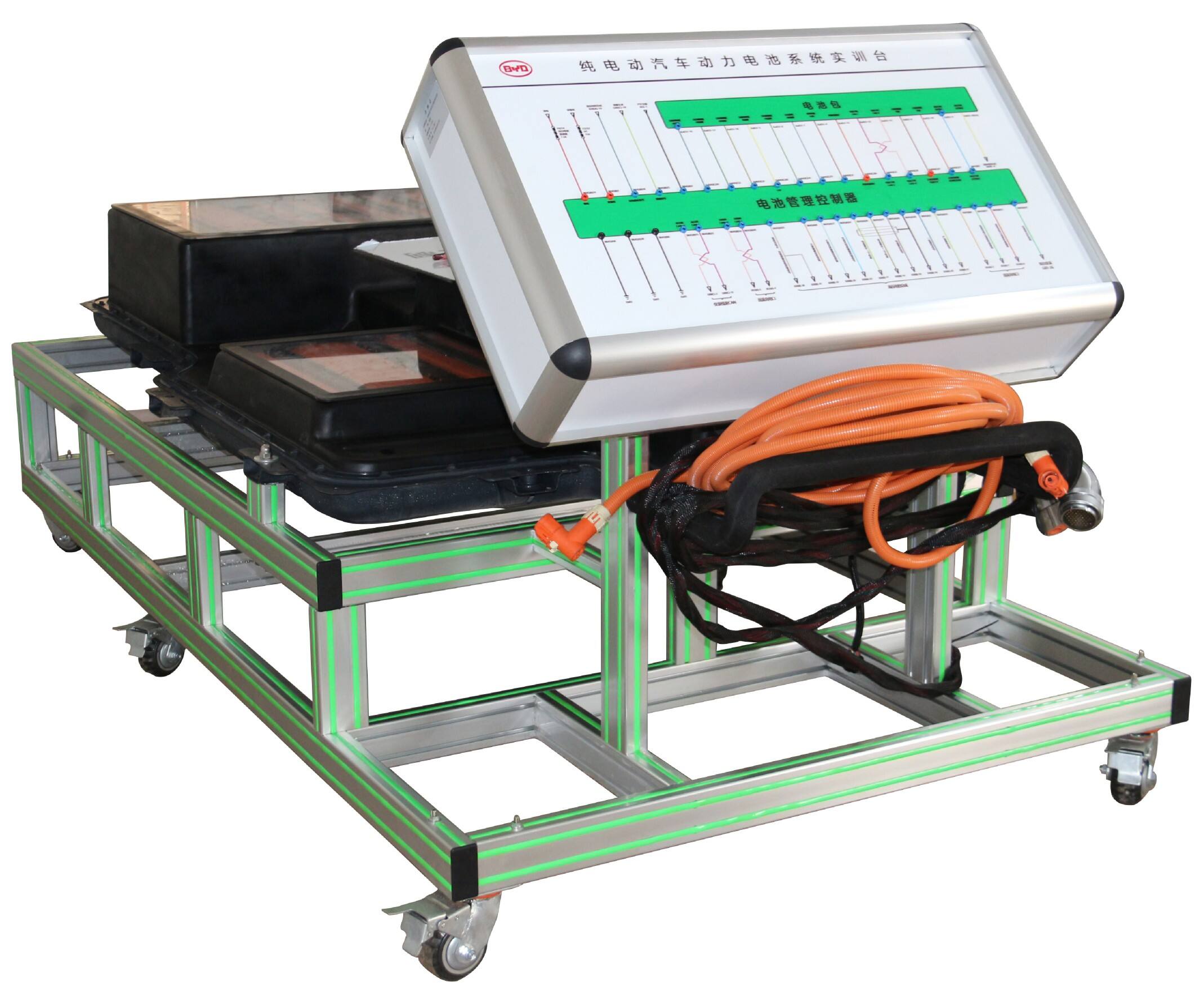
Hands-on labs using stripped-down EV platforms allow real-time data logging of regeneration patterns, helping technicians correlate sensor outputs with mechanical performance.
Embedding Circular Economy Principles into Hands-On Training Labs
Training labs offer great chances to teach circular economy ideas when we change how resources are used. Automotive schools create a lot of waste because they throw away parts after one use and rely on items meant for disposal. When labs start focusing on fixing things instead of replacing them, recovering materials from old projects, and finding new purposes for equipment, schools show real sustainability efforts while cutting expenses significantly. Some places have seen their running costs drop around 30% just by making these changes. Beyond saving money, this approach teaches students habits that align with what happens in the real world today. Most manufacturers (about 7 out of 10) already work with circular supply chains, so techs who learn these practices early will be better prepared for jobs in the field.
Replacing Legacy Simulators with Eco-Safe, Reusable Training Assets
Legacy training equipment often contains hazardous materials and non-recyclable plastics that accumulate in landfills. Modern alternatives include:
- Modular EV battery simulators with swappable degraded-cell modules
- 3D-printed engine components from recycled polymer feedstock
- Cloud-based diagnostic platforms eliminating physical control panels
New technologies are making equipment last way longer than before some reports say around four times as long without compromising how well students learn. Take remanufactured transmission cutaways for instance. These let trainees take things apart again and again without wearing out parts or breaking anything important. Then there's virtual reality welding setups that cut down on materials wasted during training sessions by almost all of them according to a recent study from the North American Die Casting Association in their 2023 report. What makes this approach interesting is that it actually shows trainees how to handle resources properly through working with these circular systems where nothing gets thrown away. This kind of practical learning helps bridge what happens in classrooms with what industries need when it comes to being environmentally responsible.
Strengthening Industry-Academic Partnerships to Future-Proof Automotive Training
The rapid evolution of sustainable vehicle technologies demands agile training frameworks. Collaborative alliances between manufacturers and educational institutions ensure curricula align with industry needs, closing critical skills gaps in electric and hybrid systems while preparing technicians for emerging mobility ecosystems.
Co-Developing Vendor-Neutral, Competency-Based Green Skills Frameworks
Engineers, teachers, and sustainability specialists work together to create standard training programs that focus more on skills people can apply anywhere rather than just knowing one particular brand. These neutral approaches let techs fix all kinds of electric vehicles because they learn things everyone needs to know, such as how to handle high voltage systems safely and diagnose problems with batteries. When we validate skills based on what workers actually do, it leads to clear results like fixing regenerative braking systems properly or learning about remaking parts instead of throwing them away, which fills some big holes in our workforce preparation. Companies in the industry share what's happening right now with technology developments, and schools make sure students still get the basic theories behind everything. We check and update these programs regularly so they stay current with new rules and tech changes, giving workers ongoing chances to learn more stuff. What this collaboration does is produce mechanics who have skills that will last through many changes in the field, helping speed up when cars stop polluting so much.
FAQ
Why is sustainable training crucial in automotive education?
Sustainable training equips technicians with the skills needed to safely handle electric vehicles and implement environmentally friendly practices, such as recycling parts and reducing emissions.
What are the key steps in EV-forward training modules?
Key steps include high-voltage safety training, layered technical training from battery diagnostics to regenerative braking, and embedding circular economy principles into hands-on labs.
How do industry-academic partnerships benefit automotive training?
These partnerships ensure training curricula align with industry needs, preparing technicians for current and future sustainable vehicle technologies.