Automotive training programs with real engine models represent a fundamental shift in how students learn mechanical systems and develop professional competencies. Unlike theoretical classroom instruction alone, automotive training programs with real engine models provide direct engagement with the components, processes, and challenges that technicians encounter on the job. This approach transforms education from abstract concepts into tangible, measurable skill acquisition that employers actively seek.
The integration of real engine models into automotive training programs with real engine models creates measurable educational outcomes. Students working with actual engine assemblies develop deeper mechanical understanding, stronger troubleshooting capabilities, and greater confidence when transitioning to professional service environments. Educational institutions implementing automotive training programs with real engine models consistently report higher student retention rates, improved certification exam performance, and stronger employer partnerships compared to theory-only curricula.
Automotive training programs with real engine models deliver educational value that textbooks and simulations cannot replicate. When students physically disassemble, inspect, and reassemble actual engine components, they develop spatial reasoning, mechanical intuition, and diagnostic thinking. Automotive training programs with real engine models force learners to confront real tolerances, wear patterns, and assembly sequences that directly mirror professional repair environments. This experiential learning accelerates competency development and builds muscle memory for critical procedures.
The tactile engagement inherent in automotive training programs with real engine models also increases information retention significantly. Research in vocational education demonstrates that kinesthetic learning—learning through physical manipulation and experience—strengthens neural pathways associated with technical problem-solving. When students engage with automotive training programs with real engine models, they simultaneously activate visual, tactile, and cognitive processing, creating multiple memory pathways that enhance long-term recall and application.
Employers consistently report that new graduates lack practical skills despite solid theoretical knowledge. Automotive training programs with real engine models directly address this disconnect by embedding workplace authenticity into the learning process. Students completing automotive training programs with real engine models arrive at their first professional role already familiar with common failure modes, assembly procedures, and diagnostic workflows. This reduced onboarding time translates to faster productivity and lower training costs for hiring organizations.
Automotive training programs with real engine models also build student confidence in high-pressure situations. Professional technicians frequently work under time constraints, with incomplete information, and under conditions of uncertainty. Automotive training programs with real engine models that simulate these realities—such as encountering unexpected corrosion, damaged fasteners, or worn components during instruction—prepare students psychologically for the actual demands of automotive service work.
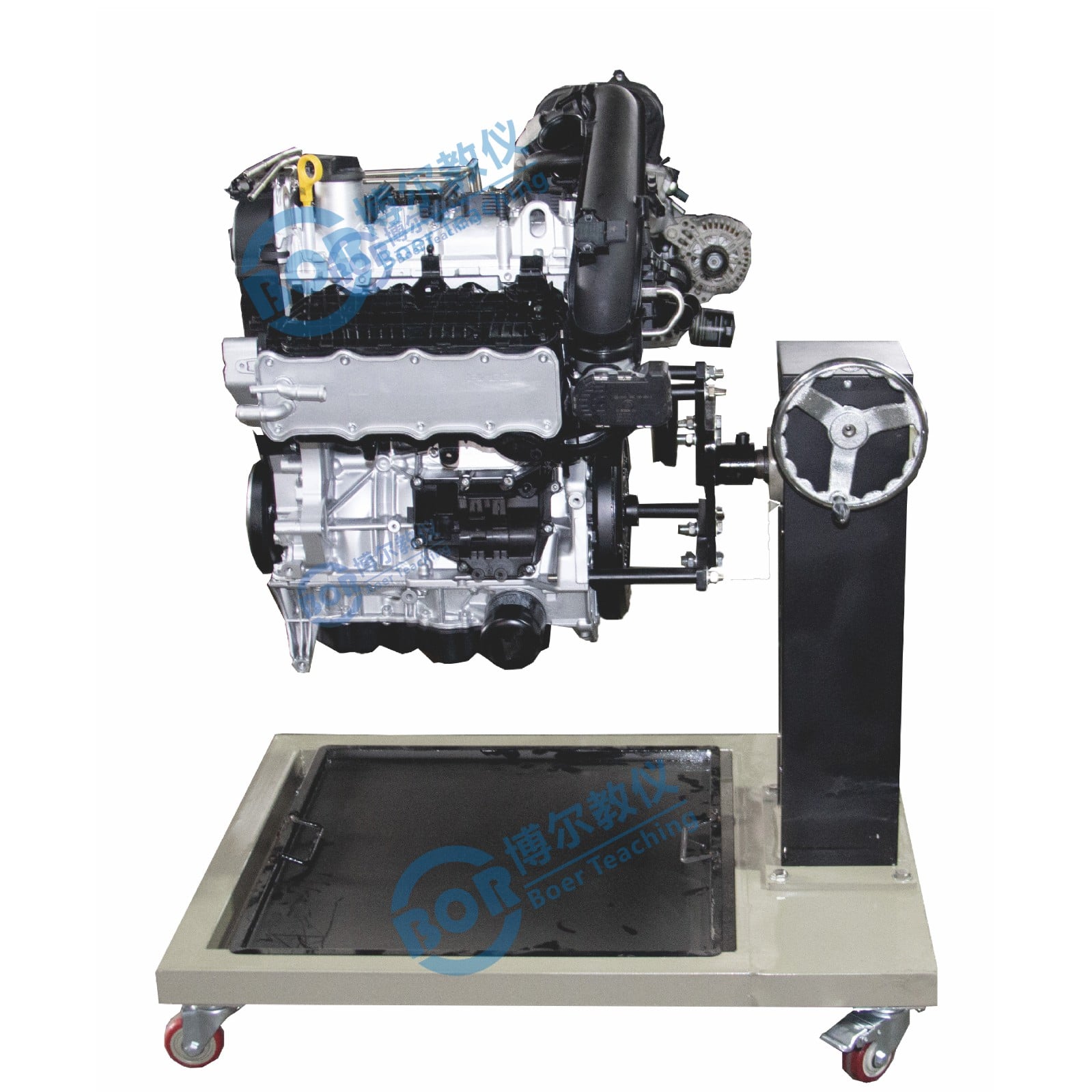
The foundation of automotive training programs with real engine models rests on systematic disassembly training. Students must learn to identify, classify, and document engine components under guided instruction. Automotive training programs with real engine models that include detailed disassembly stations allow instructors to pause the learning process, verify student understanding, and redirect attention toward critical features. Students learn valve arrangements, bearing surfaces, cooling passages, and lubrication pathways—knowledge impossible to fully internalize from diagrams alone.
Quality automotive training programs with real engine models typically employ multiple engine variants, permitting students to understand how design principles adapt across different displacement, fuel type, and application scenarios. A student who has disassembled both inline-four and V-six engines gains deeper comprehension of universal mechanical principles than one who has studied only a single engine type. Automotive training programs with real engine models that include both gasoline and diesel variants further expand student capabilities.
Reassembly represents the final validation phase within automotive training programs with real engine models. Students must apply precision measurement techniques, reference torque specifications, and follow sequential assembly procedures. Automotive training programs with real engine models that require measurement verification—such as confirming bearing clearances or valve timing—embed quality control awareness into student workflows from the outset of their careers. This procedural discipline prevents expensive mistakes and establishes professional standards.
Advanced automotive training programs with real engine models incorporate post-assembly diagnostics, requiring students to perform compression tests, leak-down tests, or oil circulation verification on their completed work. This direct feedback loop reinforces the connection between assembly quality and engine performance, cementing the causal relationship that casual observation often obscures. Automotive training programs with real engine models incorporating verification steps demonstrate measurably better student outcomes on professional certification examinations.
Implementing automotive training programs with real engine models requires thoughtful resource allocation and strategic equipment selection. Educational institutions must balance cost considerations with curriculum objectives, often prioritizing multiple engine types over fewer expensive platforms. Automotive training programs with real engine models typically leverage donor engines from local shops, cores from rebuilding suppliers, or cost-effective industrial sources rather than new OEM components. This approach preserves budget while maintaining educational authenticity.
Successful automotive training programs with real engine models establish clear learning objectives for each platform and resist the temptation to accumulate excessive variety that dilutes instructional focus. A carefully curated collection of three to five representative engines—spanning different cylinder configurations, fuel types, and technology generations—typically serves comprehensive educational goals more effectively than indiscriminate accumulation. Automotive training programs with real engine models also benefit from standardized workstations with organized tool sets, clear labeling systems, and documented reference materials that support consistent instruction delivery.
The quality of automotive training programs with real engine models depends critically on instructor expertise and pedagogical design. Faculty must combine mechanical knowledge with adult learning principles, classroom management skills, and safety discipline. Automotive training programs with real engine models benefit enormously from instructor participation in professional development, whether through manufacturer certification programs, industry partnerships, or peer collaboration networks.
Effective automotive training programs with real engine models align disassembly and reassembly activities with concurrent theory instruction, service literature interpretation, and diagnostic reasoning. Rather than treating hands-on engine work as disconnected from classroom learning, leading programs explicitly connect physical activities to electrical systems, fuel delivery, emissions control, and performance diagnostics. Automotive training programs with real engine models that integrate these dimensions create graduates capable of comprehensive vehicle troubleshooting rather than narrow mechanical skill.
Students completing automotive training programs with real engine models enter the job market with demonstrated practical capabilities rather than theoretical credentials alone. Employers prioritize candidates who have physically worked with actual engine components because such experience translates immediately to productive work. Automotive training programs with real engine models also prepare students for manufacturer certification exams more effectively, as these exams often include practical components that correlate directly with hands-on educational experiences.
Automotive training programs with real engine models require structured safety protocols including proper tool handling, personal protective equipment standards, fastener torque discipline, and hazard awareness. Used engine components may contain residual fuel, oil, or coolant requiring appropriate disposal methods. Well-designed automotive training programs with real engine models establish clear safety procedures through written policies, instructor oversight, and regular student competency verification to prevent accidents and develop professional safety habits.
Absolutely. Automotive training programs with real engine models serve kinesthetic learners through direct manipulation, visual learners through observation and documentation, and analytical learners through measurement and specification verification. Automotive training programs with real engine models that incorporate video documentation, written service procedures, group discussion, and individual assessment address multiple learning preferences simultaneously, making this instructional approach highly inclusive and effective across diverse student populations.
 EN
EN