
The automotive training landscape is undergoing a fundamental transformation in 2025, driven by the industry's rapid shift toward electric vehicles, autonomous technologies, and digital integration. Organizations investing in automotive training programs today are positioning themselves to meet the skills gap that will define the automotive workforce for the next decade. The automotive training market reflects not just regulatory pressure but genuine business necessity, as dealerships, repair shops, and educational institutions race to prepare technicians for the reality of modern vehicles. Understanding the automotive training outlook for 2025 is essential for anyone involved in workforce development, equipment procurement, or technician certification in the automotive sector.
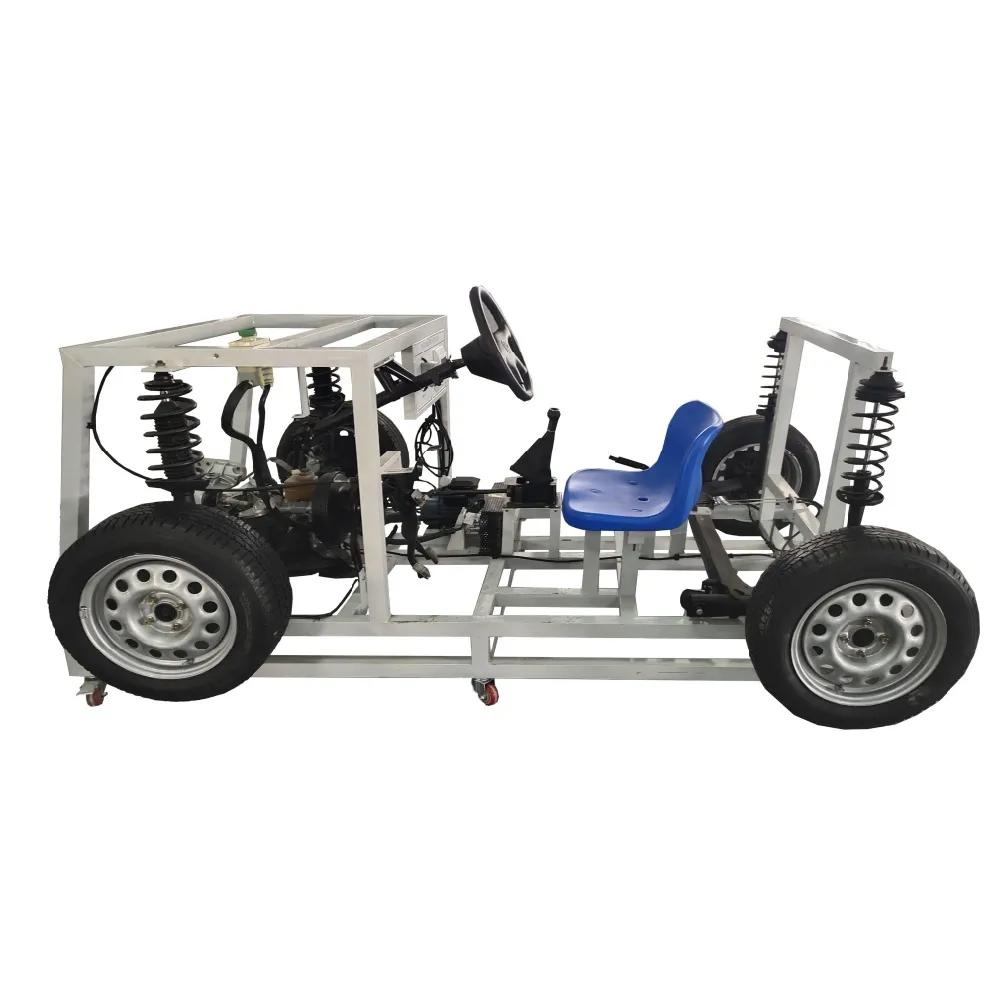
Automotive training in 2025 cannot rely on methods from previous decades. The emergence of battery electric vehicles, hybrid powertrains, and sophisticated onboard electronics means that traditional combustion engine knowledge alone is insufficient for modern technicians. Dealerships and independent repair facilities are discovering that automotive training now encompasses battery management systems, high-voltage safety protocols, software diagnostics, and predictive maintenance technologies. This transformation extends beyond technical skills to include customer communication, service documentation, and understanding lifecycle sustainability considerations in vehicle repair and maintenance strategies.
The global automotive training sector faces unprecedented demand because vehicle technology has outpaced workforce preparedness. Dealerships report that experienced technicians lack the foundational knowledge needed to diagnose and service electric vehicles effectively. Automotive training programs struggle to keep pace with rapid technology cycles, where a training curriculum can become partially obsolete within two years. The National Automotive Technicians Education Foundation and similar organizations emphasize that automotive training must now cover high-voltage systems, battery chemistry, thermal management, and advanced diagnostic software that did not exist in traditional mechanic curricula. This acceleration in automotive training requirements has created both a challenge and an economic opportunity for training providers, equipment manufacturers, and educational institutions.
Investment in automotive training infrastructure is growing as manufacturers, dealership networks, and vocational schools recognize the financial impact of inadequate technician skills. Automotive training budgets have increased significantly, with many dealership groups allocating funding specifically for employee education and certification programs. The automotive training market is expanding beyond traditional classroom settings into simulation-based learning, hands-on equipment modules, and digital platform training solutions. Industry analysts project that automotive training spending will continue to rise through 2025 and beyond, particularly in regions where electric vehicle adoption is fastest. This growth reflects recognition that automotive training is not a cost center but an investment in customer satisfaction, warranty accuracy, and competitive differentiation in service operations.
Electric vehicles require entirely different diagnostic and maintenance protocols compared to internal combustion engines, fundamentally reshaping automotive training approaches. Automotive training providers must now educate technicians on battery state-of-charge management, regenerative braking systems, electric motor principles, and thermal regulation of battery packs. The automotive training equipment currently being deployed in technical colleges and dealership service centers reflects this shift toward power electronics, energy storage systems, and software-based diagnostics. Safety protocols in automotive training have also evolved significantly, as high-voltage systems present hazards that traditional automotive training never addressed. Technicians now require certification in high-voltage work, proper personal protective equipment usage, and emergency response procedures specific to electric vehicle incidents.
Modern vehicles generate vast amounts of diagnostic data, requiring that automotive training includes software literacy and data interpretation skills. Automotive training must now emphasize understanding of onboard diagnostics systems, cloud-based service platforms, and predictive maintenance algorithms that anticipate component failures before they occur. This represents a fundamental shift from reactive repair-based automotive training toward proactive, data-informed maintenance strategies. Service technicians trained under contemporary automotive training standards can access real-time vehicle health information, communicate with factory systems, and execute remote updates on customer vehicles. The automotive training model is evolving from hands-on mechanical skill sets toward a hybrid competency framework that blends mechanical knowledge with software navigation and system interpretation.
Establishing and maintaining current automotive training facilities requires substantial capital investment in specialized equipment and infrastructure. Automotive training centers now require high-voltage testing equipment, battery simulation systems, electric motor dynamometers, and software-based diagnostic platforms alongside traditional hand tools and engine blocks. The automotive training equipment landscape has expanded dramatically, incorporating bench-top power electronics modules, virtual reality simulation environments, and connected learning platforms that enable remote instruction and monitoring. Institutions and service networks investing in automotive training infrastructure are prioritizing flexibility and modularity in equipment design to accommodate future technology evolution. This trend reflects awareness that automotive training investments must have longevity and adaptability, not serve as one-time infrastructure expenses that become obsolete within five years.
Automotive training program credibility increasingly depends on alignment with manufacturer certification standards and industry-recognized credentials. OEM manufacturers establish automotive training specifications for their authorized dealerships, creating standardized learning outcomes and competency assessments. Automotive training programs that achieve ASE (Automotive Service Excellence) certification, manufacturer-specific credentials, or equivalent regional standards carry greater market value. Employers and customers now actively seek technicians who have completed recognized automotive training pathways, making certification status a competitive factor in service operations. The automotive training market is consolidating around established credential frameworks, where programs demonstrating measurable learning outcomes and graduate placement success command premium reputation and pricing.
Geographic variation in automotive training investment reflects regional electric vehicle adoption rates, regulatory frameworks, and dealership network concentration. Regions with high EV market penetration are seeing accelerated automotive training expansion, as service networks must rapidly upskill existing technician populations. Automotive training providers in mature EV markets report increased enrollment and equipment procurement, while emerging markets still transitioning from traditional combustion vehicles maintain different automotive training priorities. This geographic differentiation means that automotive training providers face distinct market opportunities depending on regional technology adoption timelines and regulatory requirements.
Organizations making automotive training decisions in 2025 must consider that autonomous vehicles, advanced battery technologies, and updated connectivity standards will introduce new training requirements within three to five years. Automotive training investments should prioritize adaptable curriculum frameworks, modular equipment systems, and partnerships with technology providers who can deliver continuous content updates. Automotive training providers who succeed will be those offering flexible, scalable solutions that evolve alongside vehicle technology rather than requiring complete replacement. The automotive training landscape of 2025 represents a transition point where both legacy combustion engine expertise and emerging electric vehicle knowledge must coexist in technician skill sets, requiring training organizations to maintain dual-path educational approaches during this technology transition period.
The primary focus of automotive training in 2025 is preparing technicians for electric vehicle service, battery management, high-voltage safety, and advanced diagnostic software. Traditional internal combustion engine training remains relevant but no longer represents the sole pathway in modern automotive training. Automotive training providers must emphasize emerging technologies while maintaining foundational mechanical knowledge, creating a hybrid skill set that reflects contemporary vehicle complexity. This dual-focus approach distinguishes 2025 automotive training from earlier models centered exclusively on traditional engine repair and maintenance protocols.
Automotive training delivery in 2025 increasingly incorporates virtual reality simulations, online modules, and hands-on laboratory work rather than relying solely on classroom lectures and practical experience. Digital platforms enable remote automotive training accessibility, allowing technicians to complete theoretical modules independently while scheduling in-person equipment training sessions. Blended learning models in automotive training optimize time efficiency while maintaining hands-on competency validation. This shift toward hybrid automotive training delivery expands access to quality education while reducing facility capacity constraints and enabling continuous professional development throughout technician careers.
Organizations investing in automotive training typically see returns through reduced service errors, faster diagnostic time, improved customer satisfaction, and reduced warranty disputes. Automotive training investments generate measurable productivity gains when technicians require fewer hours to diagnose and repair vehicles accurately. Employee retention improves when organizations provide comprehensive automotive training opportunities, reducing recruiting and training costs for replacement staff. Dealerships and service networks with certified, well-trained technicians command pricing premiums and customer loyalty, meaning automotive training investments translate directly into revenue protection and growth in competitive service markets.
 EN
EN