
Automotive training equipment forms the foundation of effective technical education in the automotive industry. When students and technicians work with quality automotive training equipment, they develop the practical competencies that employers demand. Unlike classroom lectures alone, automotive training equipment enables learners to diagnose problems, understand system interactions, and build confidence through direct engagement with real vehicle components and mechanisms.
Modern automotive training equipment bridges the gap between theoretical knowledge and field-ready capability. By integrating engine components, transmission systems, electrical circuits, and diagnostic tools into structured learning environments, automotive training equipment prepares technicians to face real-world challenges. This hands-on approach reduces the learning curve and accelerates the development of problem-solving skills that define professional automotive service.
Automotive training equipment allows learners to examine and manipulate actual engine blocks, valve trains, fuel injection systems, and transmission assemblies. When students disassemble and reassemble these systems using automotive training equipment, they develop intuitive understanding of how components fit, function, and fail. This tactile learning process creates stronger neural connections than reading manuals or watching videos alone. Quality automotive training equipment includes cutaway models and transparent housings that reveal internal mechanisms, allowing students to observe fluid flow, mechanical movement, and electrical pathways in real time.
Modern workshops require technicians who can read diagnostic codes, interpret sensor data, and trace electrical faults systematically. Automotive training equipment equipped with computer simulation modules and live diagnostic interfaces teaches students how to connect scanning tools, interpret results, and make logical decisions about repairs. By practicing on automotive training equipment before touching customer vehicles, technicians gain confidence and accuracy. Mistakes become learning opportunities rather than costly service failures. This skill development directly translates to faster diagnostic times and higher first-time repair rates in professional settings.
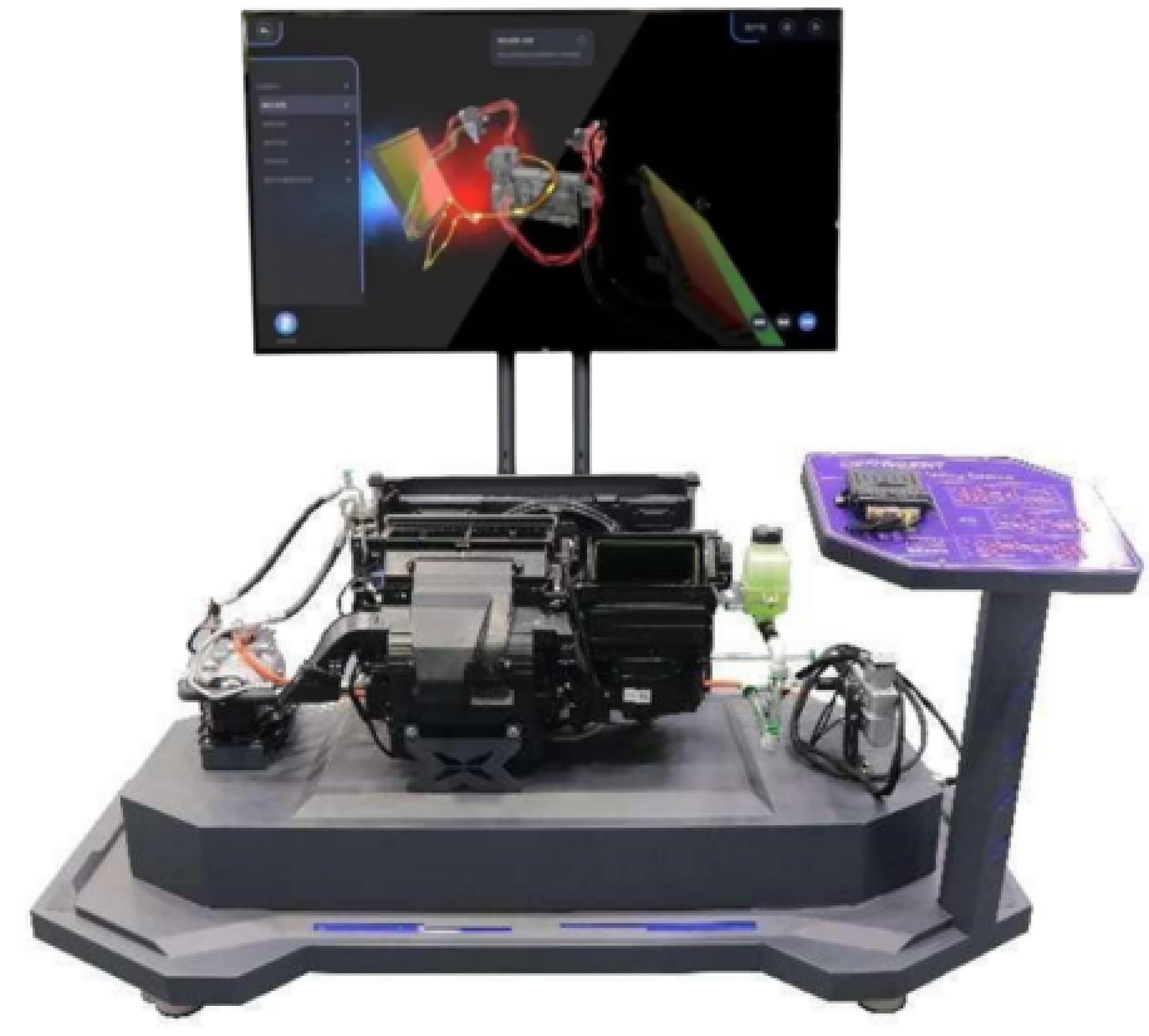
Technical schools and vocational programs rely on automotive training equipment to structure learning progressions from basic concepts to advanced diagnostics. Automotive training equipment allows instructors to present theory, demonstrate procedures, and observe student performance within controlled environments. Students work through standardized exercises on automotive training equipment, building competency benchmarks before advancing to more complex systems. This scaffolded approach ensures consistent skill development across cohorts and reduces variations in technician capability when they enter the workforce.
Automotive training equipment enables students to experiment with systems under safe, supervised conditions. Using automotive training equipment, learners can intentionally introduce faults, observe symptoms, and practice repairs without expensive consequences or customer safety risks. This controlled experimentation accelerates learning velocity and builds confidence before students work on operational vehicles. Instructors can isolate specific system behaviors on automotive training equipment, allowing focused lessons on critical concepts like fuel pressure regulation, ignition timing, or transmission shift logic.
Employers hiring automotive technicians increasingly expect candidates trained on realistic systems and tools. Automotive training equipment that mirrors current vehicle architectures—including hybrid powertrains, advanced driver assistance systems, and digital diagnostics—ensures graduates arrive job-ready. Dealerships and independent shops prefer technicians who have already worked with automotive training equipment similar to systems they will encounter professionally. This alignment between educational automotive training equipment and industry standards reduces onboarding time and improves retention, as new technicians feel prepared for their responsibilities.
The automotive industry evolves rapidly with new technologies like electric powertrains, connected vehicle systems, and advanced emissions controls. Automotive training equipment must evolve alongside industry trends to remain relevant. Training facilities that invest in contemporary automotive training equipment can offer refresher courses and advanced specialization programs, enabling existing technicians to upgrade their skill sets. This continuous education pathway, supported by quality automotive training equipment, keeps the workforce current and responsive to changing vehicle technologies and diagnostic methods.
Comprehensive automotive training equipment should cover engine systems, fuel injection, ignition timing, transmission operation, electrical circuits, HVAC functions, brake systems, and digital diagnostics. Modern automotive training equipment must include both traditional combustion engines and emerging hybrid or electric powertrain components. Transparent cutaway models, functional test benches, and computer-based diagnostic simulators ensure learners understand both mechanical operation and electronic control systems. Equipment that allows students to introduce controlled faults and practice systematic troubleshooting accelerates real-world readiness.
Automotive training equipment standardizes the learning environment, ensuring every student encounters consistent examples and demonstrations. Instructors can isolate specific system behaviors, control variables, and observe student understanding more directly than in field environments. Good automotive training equipment includes documentation and lesson plans that guide consistent, progressive instruction. With reliable automotive training equipment, instructors spend less time managing equipment failures and more time coaching students through complex problem-solving scenarios, ultimately producing more skilled graduates.
Quality automotive training equipment attracts more qualified students, improves graduation rates, and enhances employment outcomes for graduates. Institutions known for realistic, current automotive training equipment build stronger relationships with employers and industry partners. The investment in automotive training equipment pays dividends through increased enrollment, reputation, and graduate job placement success. Furthermore, automotive training equipment designed for durability reduces long-term maintenance costs and ensures consistent availability for instruction, maximizing return on investment over many training cycles.
 EN
EN