
The landscape of automotive training is undergoing a fundamental transformation. As the automotive industry rapidly shifts toward electric and hybrid vehicles, educational institutions and training providers must adapt their curricula to prepare technicians and engineers for this technological revolution. Automotive training programs that fail to incorporate electric vehicle technology risk leaving graduates unprepared for the jobs that define the modern automotive sector. This evolution represents not just an update to existing courses but a comprehensive reimagining of how automotive training is delivered, structured, and certified across the industry.
Traditional automotive training has long centered on internal combustion engine mechanics, diagnostic procedures, and conventional transmission systems. However, electric and hybrid vehicles introduce entirely new powertrains, battery management systems, high-voltage electrical architectures, and regenerative braking technologies that require specialized knowledge and hands-on experience. Effective automotive training for these emerging technologies demands investment in modern equipment, qualified instructors, and curriculum design that reflects real-world technical requirements. Organizations committed to future-ready automotive training recognize that this shift is both an educational challenge and a significant competitive advantage in the rapidly evolving job market.
Electric vehicle technology represents the most significant departure from traditional automotive training methodologies. Modern automotive training programs must now teach battery chemistry, cell management systems, thermal regulation, and state-of-charge monitoring as foundational concepts. Technicians trained in automotive training for electric vehicles need to understand high-voltage system safety protocols, insulation testing, and proper handling of battery components. The shift toward electric powertrains means automotive training curricula must allocate substantial time to these systems that barely existed in conventional automotive training five years ago. Hands-on automotive training with actual battery packs, electric motors, and power electronics is now essential for creating competent technicians.
Hybrid vehicles present unique challenges that automotive training programs must address with equal rigor. Automotive training for hybrid systems requires understanding both conventional and electric powertrains simultaneously, along with the control systems that manage power distribution between them. Technicians completing automotive training in hybrid systems must master regenerative braking concepts, dual motor configurations, and the sophisticated software that orchestrates power flow. This aspect of automotive training is particularly complex because hybrid technology varies significantly across manufacturers. Comprehensive automotive training in this area prepares technicians to troubleshoot multi-system failures that would be impossible to diagnose without deep hybrid system knowledge.
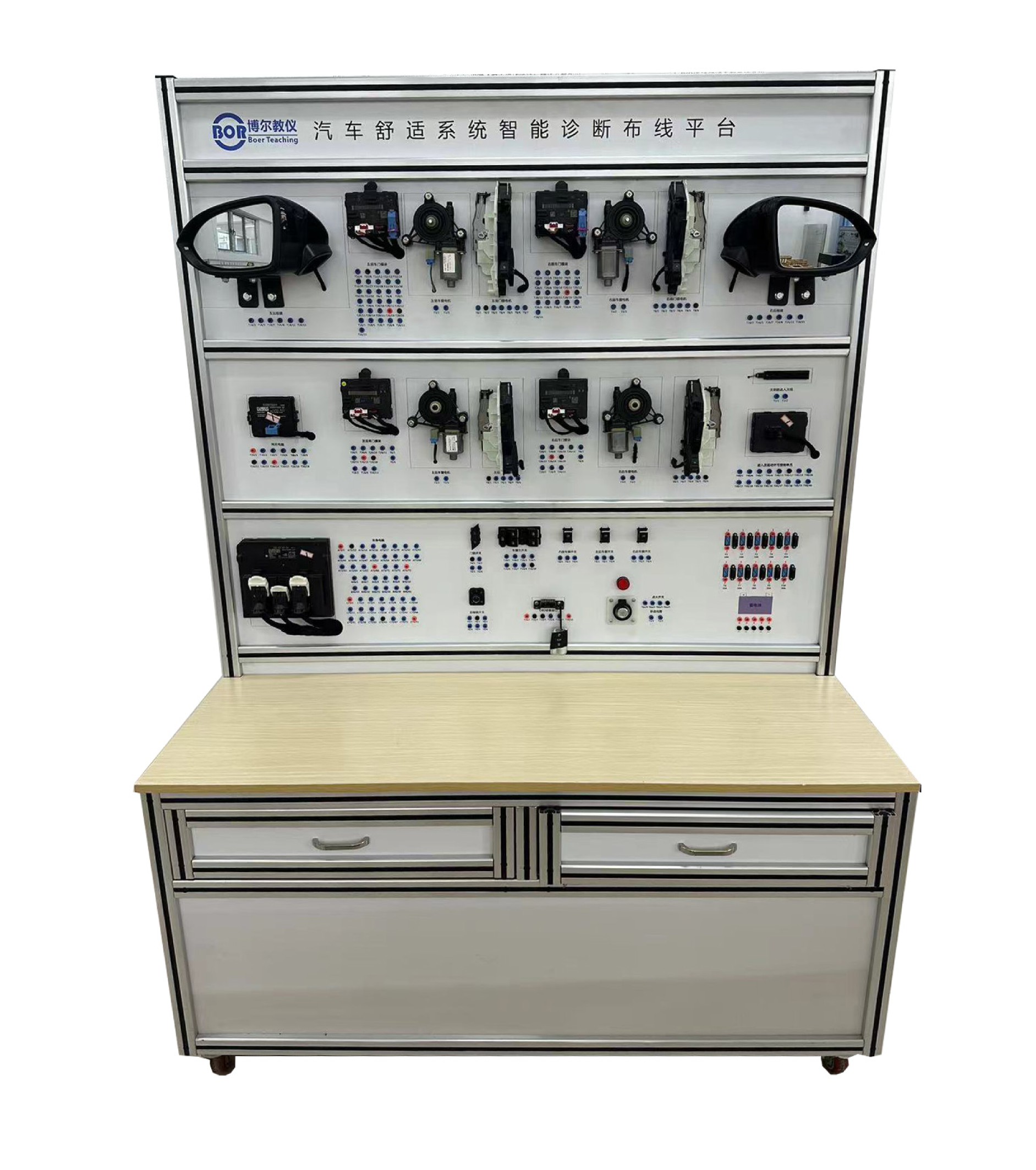
Successful automotive training programs combine theoretical instruction with extensive laboratory and shop-based practical experience. Modern automotive training must provide learners with access to actual vehicles or high-fidelity simulators where they can diagnose problems, perform repairs, and practice safety procedures. The most effective automotive training environments feature modular learning stations where students work on isolated systems before tackling complete vehicle integration challenges. Educational institutions investing in automotive training infrastructure recognize that hands-on experience directly correlates with graduate employment outcomes and employer satisfaction. Automotive training that lacks adequate equipment access limits student competency development and reduces the relevance of the educational experience.
The quality of automotive training depends fundamentally on instructor expertise and commitment to continuous professional development. Educators delivering automotive training must possess both technical knowledge of electric and hybrid systems and pedagogical skills that make complex concepts accessible to learners. Many automotive training institutions are implementing mandatory instructor retraining programs to ensure teaching staff understand emerging technologies. Automotive training programs benefit from recruiting instructors with recent industry experience who can bring real-world context to classroom discussions. Certification standards for automotive training instructors are evolving to include specialized competencies in electric and hybrid vehicle diagnosis and repair.
The automotive industry's transition to electric and hybrid vehicles is creating unprecedented demand for technicians with specialized automotive training in these technologies. Employers increasingly struggle to find qualified technicians because traditional automotive training programs have not adapted quickly enough to meet industry needs. Automotive training graduates with electric and hybrid certifications command higher starting salaries and enjoy faster career advancement compared to those trained exclusively in conventional vehicle technology. This employment landscape shift means that automotive training providers who successfully integrate electric and hybrid content gain significant market advantage. Organizations prioritizing automotive training development position themselves as leaders in workforce preparation for the automotive sector's future.
Automotive training is no longer a one-time educational experience but an ongoing process of skill development and knowledge refresh. Technicians must engage in continuing automotive training throughout their careers as vehicle technology evolves and new platforms emerge. Progressive automotive training providers offer modular courses that allow working technicians to update specific competencies without completing entire certification programs. The pace of technological change means that automotive training content requires regular revision to remain current and relevant. Employers increasingly expect their technicians to participate in ongoing automotive training as a condition of employment in specialized technical roles.
Automotive training programs focused on electric vehicles must prioritize high-voltage safety protocols, battery management system diagnostics, electric motor operation and maintenance, and power electronics troubleshooting. Additionally, automotive training should cover thermal management systems, charging infrastructure compatibility, and software diagnostic tools specific to electric platforms. Modern automotive training must also address the integration of these systems within complete vehicle architectures, not just isolated component knowledge. Employers report that graduates of comprehensive automotive training in these areas are immediately productive in technical roles.
The duration of automotive training in hybrid technology varies based on program structure and depth. A basic automotive training certification in hybrid systems typically requires 200–400 hours of instruction and hands-on practice. More comprehensive automotive training programs integrating both hybrid and electric systems often span 600–1000 hours, depending on whether they include advanced diagnostics and repair procedures. Institutions offering automotive training must balance thorough technical education with practical constraints on learner time and resources. Modular automotive training approaches allow learners to complete sections at variable pace, making education more flexible than traditional full-time programs.
Traditional mechanic certifications provide a foundation but are insufficient without dedicated automotive training in electric and hybrid systems. While conventional automotive training covers diagnostic methodologies and system thinking that apply broadly, it does not address the unique safety protocols and technical requirements of electric powertrains. Technicians holding traditional certifications can transition to electric and hybrid work by completing specialized automotive training modules that target knowledge gaps. However, automotive training providers and employers increasingly recommend integrated programs that teach electric and hybrid systems alongside conventional knowledge rather than treating them as completely separate disciplines. The most valuable automotive training path for emerging technicians combines foundational mechanical principles with comprehensive electric and hybrid vehicle instruction.
 EN
EN