
The landscape of educational institutions is undergoing a profound transformation as educational equipment trends 2025 increasingly emphasize intelligence, modularity, and interconnected systems. Learning environments are no longer static spaces filled with standalone devices. Instead, educational equipment trends 2025 reflect a shift toward adaptive technologies that respond to student needs, faculty requirements, and institutional goals in real time. This evolution is reshaping how schools, universities, and training centers invest in infrastructure and pedagogical resources.
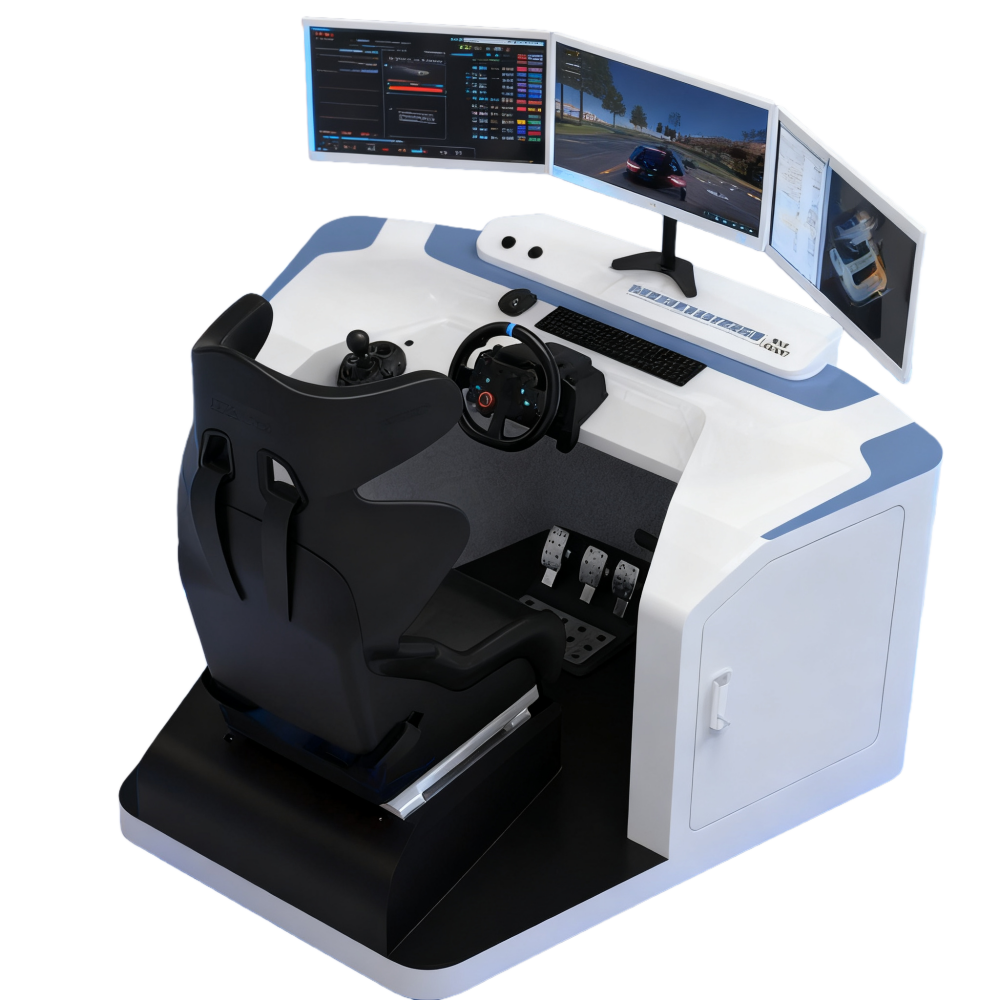
Understanding these educational equipment trends 2025 is critical for decision-makers planning institutional upgrades or new facility construction. The convergence of artificial intelligence, Internet of Things connectivity, and flexible design principles has created a new category of educational tools that deliver measurable improvements in learning outcomes, operational efficiency, and cost management. Institutions that align their procurement strategies with these emerging patterns gain significant competitive advantages in attracting students, retaining faculty, and demonstrating commitment to innovation.
Smart functionality has become a defining characteristic of educational equipment trends 2025. Modern classroom devices now incorporate sensors, adaptive algorithms, and real-time data analytics that personalize the learning experience for individual students while providing instructors with actionable insights. Smart boards, interactive displays, and networked lab equipment collect information about student engagement, comprehension levels, and learning patterns. This data-driven approach enables educators to adjust teaching methods instantly, identify struggling students early, and optimize resource allocation across the institution. The educational equipment trends 2025 increasingly prioritize systems that learn from usage patterns and improve their functionality over time.
Automation represents a core pillar of educational equipment trends 2025, particularly in laboratory and specialized training environments. Intelligent equipment can self-calibrate, perform diagnostic checks, and alert maintenance teams to potential issues before failures occur. This predictive maintenance capability reduces downtime and extends equipment lifespan significantly. Smart scheduling systems also optimize facility usage by analyzing occupancy patterns and automatically reserving resources based on predicted demand. For institutions managing multiple campuses or large facilities, these automated workflows reduce administrative overhead and free up staff to focus on educational quality rather than logistics.
Modular design has emerged as a cornerstone of educational equipment trends 2025, allowing institutions to expand capabilities without replacing entire systems. Rather than purchasing monolithic solutions, educators now select equipment with interchangeable components, plug-and-play interfaces, and standardized connections. This approach accommodates growth, technological evolution, and changing pedagogical approaches without massive capital reinvestment. A modular simulation lab can begin with core components and expand with specialized modules as the institution's programs mature. This flexibility makes it feasible for smaller institutions to compete with larger ones by starting small and scaling incrementally.
Sustainability concerns drive many aspects of educational equipment trends 2025. Modular systems reduce electronic waste by allowing selective component replacement rather than full-system disposal. Manufacturers design equipment for longevity and upgradability, addressing both environmental and financial pressures facing educational institutions. Institutions can justify equipment investments more easily when they understand that core systems will remain relevant for extended periods. The ability to refresh or upgrade specific components rather than entire installations also distributes costs across multiple fiscal years, improving budget predictability. This sustainability-focused approach aligns with institutional values and appeals to environmentally conscious students and stakeholders.
Connectivity defines the most transformative aspect of educational equipment trends 2025. Educational equipment no longer operates in isolation. Instead, smart devices communicate through standardized protocols, creating integrated ecosystems where information flows freely between classroom displays, lab instruments, student devices, and administrative systems. This interconnection enables sophisticated workflows such as students accessing lab equipment remotely, instructors monitoring real-time data from multiple stations simultaneously, and administrative systems automatically updating inventory based on equipment usage. Cloud-based platforms serve as central hubs that synchronize operations across dispersed locations and enable hybrid learning models.
The connected nature of educational equipment trends 2025 generates unprecedented volumes of actionable data. Aggregated analytics reveal patterns in how students engage with different learning modalities, which equipment configurations produce optimal outcomes, and where resource bottlenecks occur. Institutions use these insights to refine curriculum design, allocate budgets more effectively, and demonstrate educational impact to accreditors and stakeholders. Security and data privacy protocols have become essential elements of connected equipment systems, protecting sensitive information about student performance and institutional operations. As educational equipment trends 2025 emphasize integration, institutions must carefully evaluate vendors' commitments to data protection and interoperability standards.
Connected educational equipment enables seamless transitions between in-person and remote learning models, a capability that has become non-negotiable in educational equipment trends 2025. Virtual lab environments, remote simulation platforms, and cloud-accessible resources allow students to engage with hands-on content regardless of location. Instructors can supervise multiple students working on networked equipment from central control stations or even remotely. This flexibility ensures business continuity during disruptions and accommodates diverse student needs, from working professionals to international learners. The normalization of hybrid approaches makes connectivity infrastructure a strategic priority rather than a temporary accommodation.
Educational equipment trends 2025 center on artificial intelligence capabilities, Internet of Things connectivity, cloud integration, and adaptive learning technologies. Smart sensors, real-time analytics platforms, and modular hardware designs constitute the technical foundation. Virtual and augmented reality interfaces, biometric engagement tracking, and automated calibration systems represent emerging applications within these broader trends.
Starting with a clear assessment of institutional needs and existing infrastructure helps frame adoption of educational equipment trends 2025. Institutions should prioritize interoperability and avoid vendor lock-in by selecting equipment that supports industry standards. Pilot programs in specific departments or facilities allow staff to gain experience with new systems before institution-wide rollout. Professional development ensures educators understand how to leverage the full capabilities of smart, connected equipment.
Implementation of educational equipment trends 2025 requires significant initial investment in infrastructure, particularly networking and security systems. Staff training demands substantial time and resources, and some educators may resist technological changes to established pedagogical practices. Data privacy concerns and cybersecurity vulnerabilities associated with connected systems require careful attention. Institutions must also navigate vendor consolidation and ensure that equipment choices align with long-term strategic goals rather than chasing short-term technology trends.
 EN
EN