Engineering education demands hands-on experience to bridge theoretical knowledge with practical application. Electronic experiment kits serve as foundational tools that enable students to validate circuit principles, understand component behavior, and develop troubleshooting skills essential for professional success. These kits transform abstract concepts into tangible learning experiences, allowing students to build confidence through experimentation. Quality electronic experiment kits provide structured learning pathways while accommodating exploration beyond prescribed exercises. The selection of appropriate electronic experiment kits directly influences student engagement, comprehension depth, and long-term retention of electrical engineering fundamentals.
Modern electronic experiment kits integrate modular design principles that facilitate progressive skill development from basic resistor-capacitor circuits to complex microcontroller applications. Students benefit from kits that include comprehensive component inventories, clear documentation, and compatibility with industry-standard measurement tools. The best electronic experiment kits balance educational structure with flexibility, enabling instructors to customize laboratory sessions while students pursue independent projects. Investment in robust electronic experiment kits yields measurable improvements in student performance metrics, practical competency assessments, and preparedness for advanced coursework or industry entry.
Comprehensive electronic experiment kits contain diverse component types that span analog and digital electronics domains. Essential passive components include multiple resistor values, capacitor types covering ceramic, electrolytic, and film variants, and inductors suitable for filter and oscillator circuits. Active components should encompass diodes, transistors, operational amplifiers, and voltage regulators representing current industry standards. Quality electronic experiment kits provide sufficient quantities to support circuit modifications and accommodate component failures during experimentation. The component assortment should align with standard undergraduate electrical engineering curriculum requirements while allowing exploration of specialized topics. Superior electronic experiment kits include semiconductor devices that demonstrate modern fabrication technologies rather than obsolete components with limited practical relevance.
Robust electronic experiment kits feature breadboard systems or terminal-based platforms engineered for repeated connection cycles without contact degradation. Platform dimensions must accommodate complex multi-stage circuits while maintaining organized component placement. High-quality electronic experiment kits incorporate labeled terminal blocks, integrated power supplies with adjustable voltage outputs, and built-in protection circuits preventing damage from wiring errors. Mechanical stability ensures reliable electrical connections during measurement procedures and dynamic testing scenarios. Educational electronic experiment kits designed for institutional use withstand intensive handling across multiple academic terms while maintaining electrical integrity. Durable construction reduces maintenance overhead and ensures consistent performance across student cohorts, maximizing institutional return on educational technology investments.
Effective electronic experiment kits align with established learning objectives across fundamental electrical engineering courses including circuit analysis, electronics, and control systems. These kits support incremental complexity progression, beginning with Kirchhoff's law verification and advancing toward filter design, amplifier characterization, and digital logic implementation. Well-designed electronic experiment kits include laboratory manuals with structured experiments that reinforce lecture material while encouraging analytical thinking beyond procedural execution. Integration with simulation software enables students to validate theoretical predictions against measured results, strengthening conceptual understanding. The best electronic experiment kits facilitate collaborative learning through multi-student configurations while supporting individual skill assessment through modular experiments. Instructors appreciate electronic experiment kits that accommodate diverse teaching methodologies including flipped classroom approaches and project-based learning frameworks.
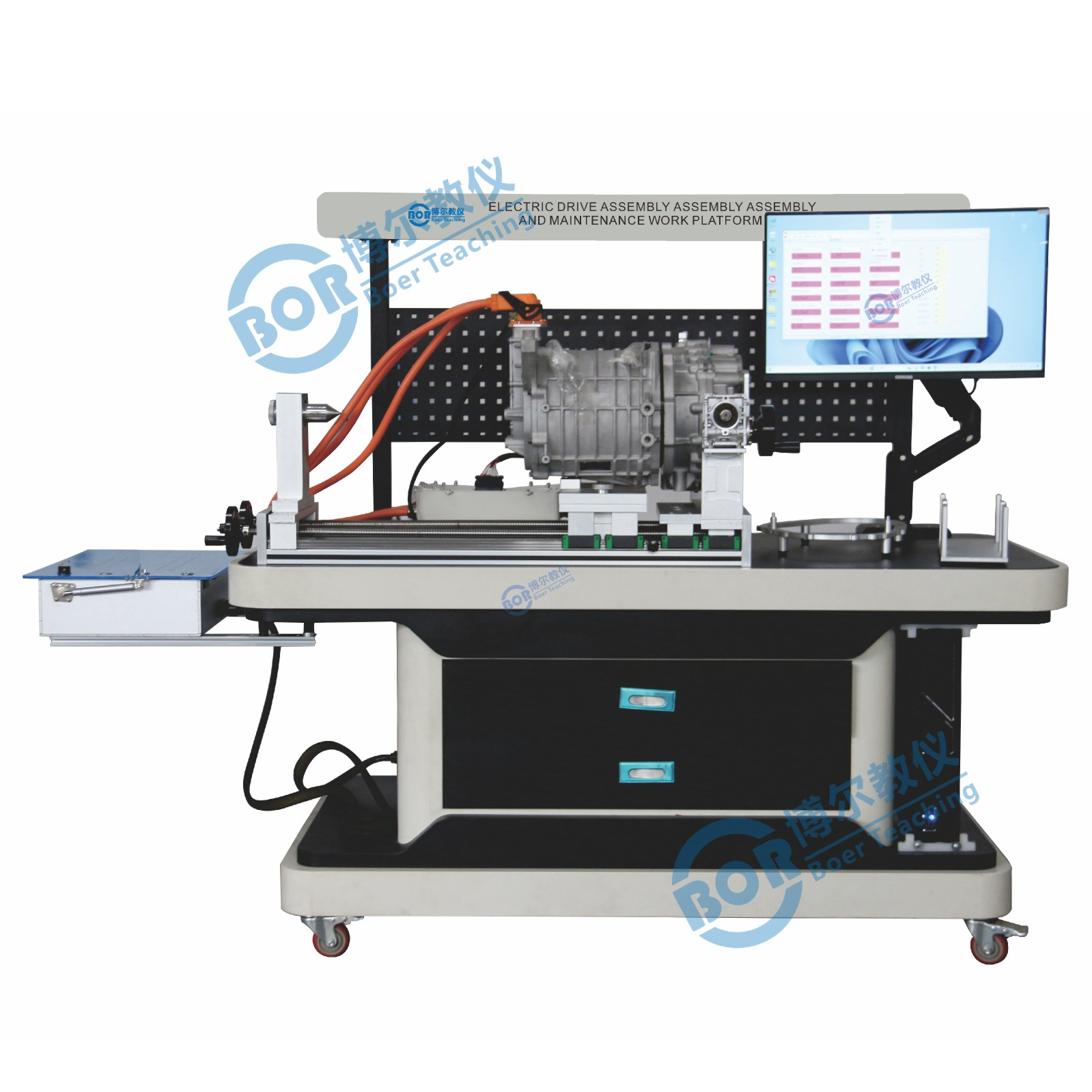
Advanced electronic experiment kits cultivate measurement proficiency through integration with oscilloscopes, function generators, and multimeters used in professional engineering environments. Students develop systematic troubleshooting methodologies by diagnosing circuit malfunctions, interpreting unexpected behavior, and implementing corrective modifications. Quality electronic experiment kits challenge students to optimize circuit performance through component substitution, layout refinement, and parameter tuning exercises. These platforms teach proper documentation practices as students record observations, analyze data trends, and present findings in technical report formats. Exposure to industrial-grade electronic experiment kits prepares students for laboratory work in research settings, quality control departments, and product development teams. Competency with professional electronic experiment kits enhances employment prospects by demonstrating practical skills employers value alongside theoretical knowledge.
Institutional adoption of electronic experiment kits requires consideration of long-term scalability to accommodate enrollment growth and curriculum evolution. Modular electronic experiment kits permit incremental expansion through add-on component sets addressing specialized topics such as power electronics, communication systems, or embedded programming. Compatibility with existing laboratory infrastructure including power distribution systems and measurement equipment prevents costly facility modifications. Forward-looking electronic experiment kits support emerging technologies including Internet of Things applications, renewable energy systems, and sensor integration platforms. Programs benefit from electronic experiment kits backed by manufacturers offering sustained component availability, replacement part access, and technical support throughout product lifecycles. Strategic selection of electronic experiment kits with standardized interfaces enables resource sharing across courses, maximizing utilization rates and reducing per-student equipment costs.
Educational electronic experiment kits must incorporate comprehensive safety mechanisms protecting students from electrical hazards during normal operation and foreseeable misuse scenarios. Current-limiting circuits, fused power supplies, and isolated voltage domains prevent dangerous fault conditions from developing during wiring errors. Quality electronic experiment kits comply with international electrical safety standards relevant to educational equipment including proper insulation, grounding provisions, and clearance distances for exposed conductors. Transparent safety documentation accompanying electronic experiment kits enables instructors to conduct effective laboratory orientations covering hazard recognition and emergency response protocols. Manufacturers of professional electronic experiment kits provide certification evidence demonstrating regulatory compliance, liability risk mitigation, and adherence to industry best practices. Institutions prioritize electronic experiment kits with proven safety records, minimizing incident potential while fostering responsible experimental practices among engineering students.
Professional electronic experiment kits feature industrial-grade components with specified tolerances, comprehensive technical documentation including datasheets and application notes, and durable platform construction suitable for intensive educational use. These kits align with accredited engineering curriculum standards and support measurement integration with laboratory-grade instruments. Hobbyist sets typically contain consumer-grade components, simplified instructions focused on project completion rather than conceptual understanding, and limited expandability for advanced applications. Educational electronic experiment kits emphasize systematic learning progression and skill assessment capabilities absent from recreational electronics packages.
Compact electronic experiment kits designed for distributed learning include all necessary components in portable configurations students can use in residential settings. These kits often pair with simulation software enabling circuit validation before physical construction, reducing frustration from wiring errors. Remote-compatible electronic experiment kits feature USB-connected measurement interfaces that stream data to laptops for analysis using standard software tools. Manufacturers provide video tutorials, virtual laboratory sessions, and online technical support extending instructor availability beyond scheduled class times. Hybrid learning models leverage electronic experiment kits for home-based preparatory work followed by in-person sessions focused on advanced measurements requiring specialized institutional equipment.
Long-term operation of electronic experiment kits requires periodic component inventory replenishment as resistors, capacitors, and semiconductors deplete through consumption and damage. Contact surfaces on breadboards and terminal blocks need occasional cleaning to maintain low-resistance connections preventing measurement errors. Power supply calibration verification ensures output voltages remain within specification tolerances critical for circuit operation. Storage in climate-controlled environments prevents humidity-related corrosion and temperature-induced component degradation. Quality electronic experiment kits from reputable manufacturers minimize maintenance burden through robust construction and readily available replacement parts, reducing lifecycle costs and maximizing equipment availability for student use across academic terms.
 EN
EN