 EN
EN

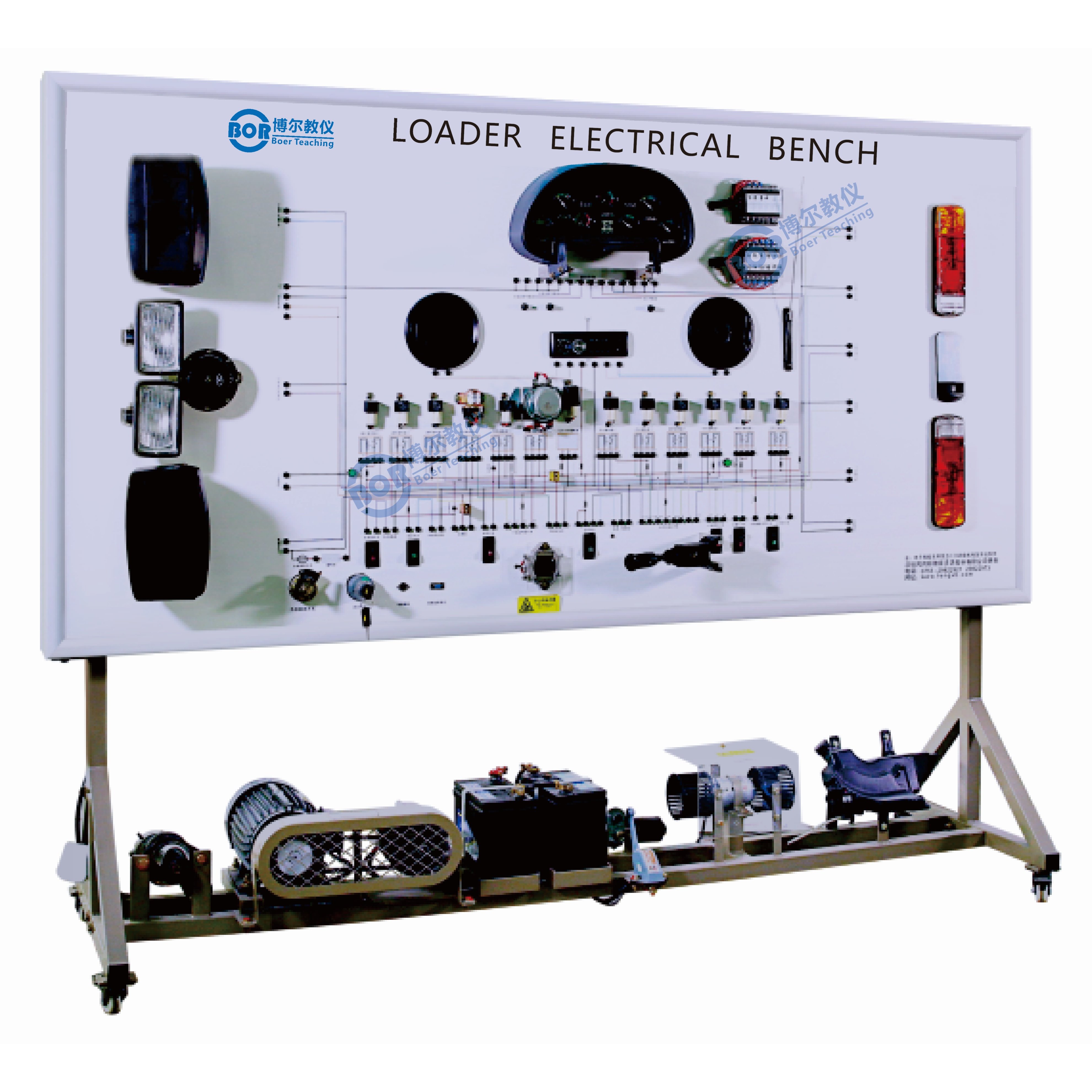
The automotive industry faces an unprecedented challenge: training the next generation of technicians in an increasingly complex technological landscape. Traditional automotive training simulators have long been the industry standard, but the emergence of advanced virtual platforms is fundamentally changing how technical education is delivered. Understanding the distinction between real-world instruction and automotive training simulators is essential for training programs, educational institutions, and automotive service centers looking to optimize their workforce development strategies. The choice between these approaches directly impacts technician competency, training costs, and overall service quality.
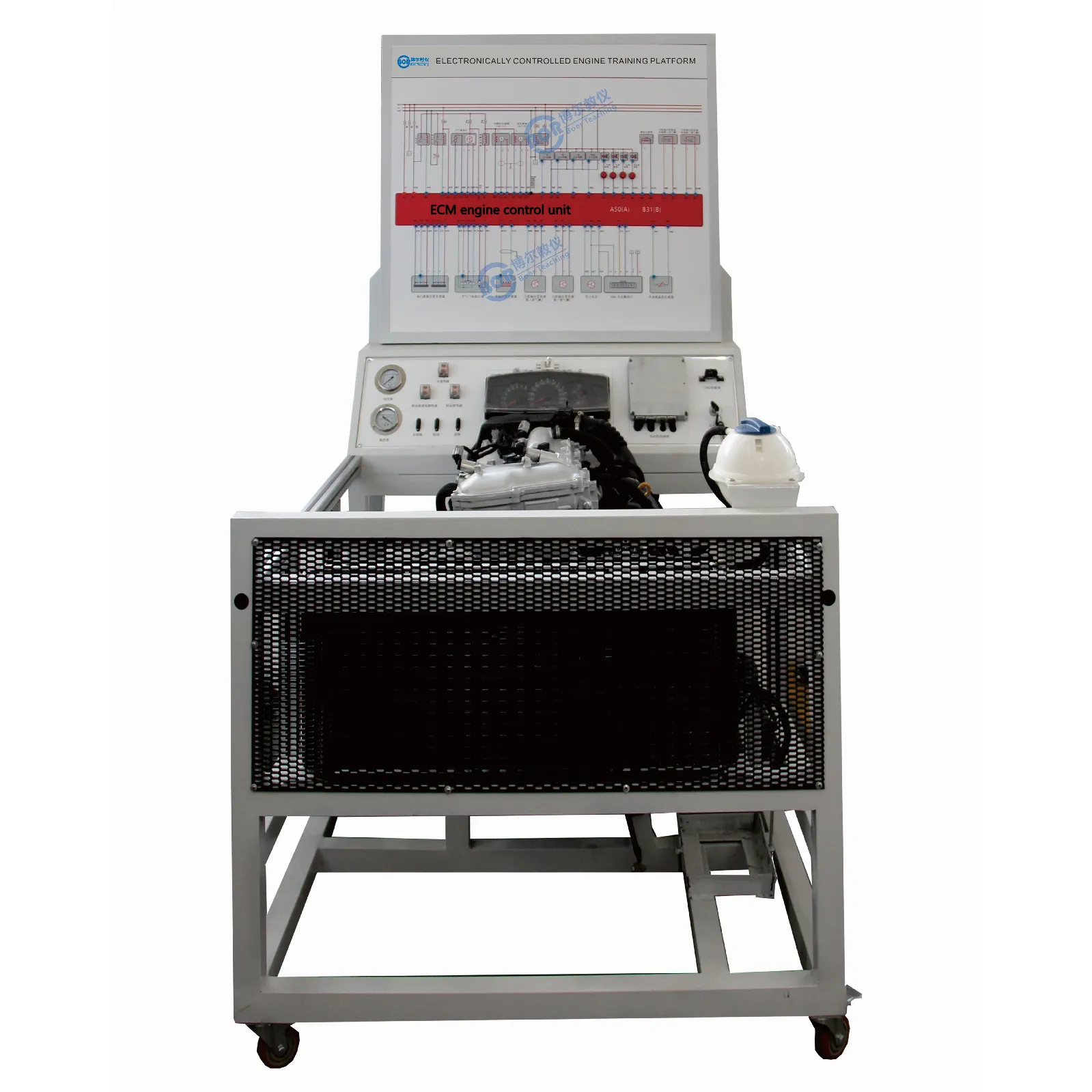
Modern automotive training simulators represent a technological leap forward in how technicians develop critical skills. Virtual automotive training simulators enable learners to practice complex diagnostic procedures, electrical troubleshooting, and system integration without the constraints of physical equipment or the risk of damaging expensive machinery. This transformative approach to automotive training simulators addresses longstanding limitations in traditional hands-on instruction while maintaining the pedagogical rigor that employers demand.
The Core Advantage of Automotive Training Simulators
Unlimited Practice Scenarios Without Equipment Constraints
One of the most compelling benefits of automotive training simulators is the ability to replicate countless vehicle configurations and failure scenarios. Traditional hands-on training relies on whatever vehicles happen to be available in a facility, often limiting exposure to diverse models, technologies, and malfunction types. Automotive training simulators eliminate this bottleneck by creating a digital environment where learners encounter every diagnostic challenge, electrical fault, sensor malfunction, and system integration issue they will face in real dealerships and repair shops. This comprehensive exposure during training means technicians enter the workforce with broader competency and greater confidence.
Cost Efficiency and Scalability in Training Delivery
Purchasing, maintaining, and storing physical vehicles for training is extraordinarily expensive. Automotive training simulators shift this financial burden dramatically. A single simulation platform can serve dozens of simultaneous learners, eliminating the need for multiple demonstration vehicles, reducing facility overhead, and extending equipment lifespan indefinitely. Training programs using automotive training simulators report significant reductions in material waste, tool replacement costs, and facility maintenance expenses. This economic advantage makes high-quality technical education accessible to smaller training centers and independent service providers who previously lacked resources for comprehensive hands-on programs.
Safety, Quality Control, and Accelerated Competency Development
Risk-Free Learning Environments for Complex Procedures
Automotive training simulators eliminate the safety risks inherent in teaching technicians on live vehicles. Learners can make mistakes, experiment with troubleshooting logic, and retry procedures without damaging expensive components, injuring themselves, or creating liability exposure for training institutions. This psychological safety is crucial for learning complex diagnostic reasoning. When technicians know they can fail safely while using automotive training simulators, they engage more deeply with problem-solving methodology and develop stronger mental models of vehicle systems. The result is faster skill acquisition and more durable competency than traditional trial-and-error approaches allow.
Standardized Outcomes and Measurable Skill Progression
Automotive training simulators provide quantifiable performance metrics that traditional instruction cannot match. Every diagnostic step, decision point, and outcome is logged and analyzed. Training managers can track individual technician progress, identify knowledge gaps, and adjust instruction based on objective data. This accountability ensures that automotive training simulators meet consistent quality standards across multiple locations and cohorts. Employers can verify that their new hires have demonstrated mastery of critical procedures rather than simply accumulating seat time in a shop environment.
Integration of Emerging Vehicle Technologies
Preparation for Electric, Autonomous, and Connected Vehicle Systems
Modern vehicles incorporate electric propulsion, autonomous driving features, cloud connectivity, and sophisticated sensor networks that require fundamentally different diagnostic approaches than traditional combustion engines. Automotive training simulators excel at integrating these emerging technologies into the training curriculum because software-based platforms can be updated instantly to reflect new vehicle architectures and diagnostic protocols. Technicians trained with automotive training simulators are naturally prepared for the rapid technological evolution that continues to accelerate across the automotive industry.
Real-Time System Integration and Complex Troubleshooting
Many modern vehicle failures involve interactions between multiple integrated systems—powertrain management, braking stability, battery management, and wireless communication networks working together. Automotive training simulators excel at teaching these interdependencies because virtual environments can model complex system interactions that would be nearly impossible to replicate physically. Technicians gain experience diagnosing cascading failures and understanding how one system's malfunction propagates to trigger codes in seemingly unrelated modules, building the sophisticated troubleshooting logic essential for modern vehicle repair.
Practical Implementation and Workforce Development Strategy
Hybrid Models Combining Simulation and Physical Experience
Leading training institutions recognize that optimal skill development combines automotive training simulators with targeted hands-on experience on actual vehicles. Learners first build conceptual understanding and practice complex diagnostic procedures using automotive training simulators, then apply their knowledge on physical vehicles under expert supervision. This hybrid approach accelerates competency development, reduces training duration, and maximizes the educational return from expensive physical assets. The simulation phase identifies knowledge gaps that instructors then address through focused hands-on practice.
Scaling Technical Expertise Across Distributed Locations
Organizations with multiple service centers or training facilities face the challenge of delivering consistent technical instruction at each location. Automotive training simulators solve this scalability problem by enabling identical training experiences regardless of geographic location or facility size. A technician trained on automotive training simulators in a small regional center receives the same diagnostic exposure and skill validation as one trained at a large dealership network. This consistency strengthens organizational competency and improves service quality across the entire enterprise.
FAQ
How do automotive training simulators prepare technicians for real-world diagnostic challenges?
Automotive training simulators replicate authentic vehicle systems, sensor behaviors, and fault patterns that technicians encounter in service environments. By practicing systematic diagnostic methodologies on dozens of different vehicle configurations and failure scenarios, technicians develop strong mental models of how systems function and malfunction. This conceptual foundation, combined with exposure to complex multi-system interactions, enables technicians to approach unfamiliar real-world problems with confidence and structured troubleshooting logic. The safety environment of automotive training simulators allows learners to make mistakes and learn from them, reinforcing learning far more effectively than passive observation or limited hands-on opportunities.
What is the cost comparison between automotive training simulators and traditional hands-on instruction?
Traditional hands-on training requires purchasing multiple demonstration vehicles, maintaining them, storing them, and replacing damaged components—costs that quickly exceed hundreds of thousands of dollars. Automotive training simulators require an initial software investment and standard computer hardware, but then serve unlimited learners with minimal ongoing costs. Most training programs recover their automotive training simulators investment within two to three years through reduced vehicle maintenance, eliminated component replacement costs, improved training efficiency, and the ability to serve more students simultaneously. The long-term financial advantage strongly favors automotive training simulators, particularly for institutions serving multiple cohorts of technicians.
Can automotive training simulators fully replace hands-on vehicle training?
While automotive training simulators provide exceptional preparation for diagnosis and system understanding, they work best as part of a comprehensive training strategy. Some hands-on experience with physical vehicles remains valuable for developing mechanical intuition, tool proficiency, and the confidence that comes from working on real equipment. However, automotive training simulators dramatically reduce the amount of hands-on practice required to develop competency. Many leading programs use automotive training simulators to build conceptual and diagnostic expertise first, then apply that foundation to focused hands-on experience with actual vehicles, creating a more efficient and comprehensive learning pathway than either approach alone.