 EN
EN

Vocational schools play a critical role in preparing the next generation of skilled professionals for careers in trades, manufacturing, automotive, and industrial sectors. To deliver effective hands-on instruction, vocational schools require carefully selected training equipment that mirrors real-world workplace conditions and industry standards. Quality equipment not only enhances student learning outcomes but also ensures that graduates enter the workforce with practical competencies employers actively seek. Building and maintaining a comprehensive training environment is one of the most important investments vocational schools can make to stay competitive and deliver exceptional educational value.
The landscape of skill-based education has evolved significantly, and vocational schools now face increased pressure to demonstrate that their graduates are job-ready from day one. This requires investing in training equipment that reflects current industry practices, safety standards, and technological advancements. Whether your vocational schools serve automotive, electrical, plumbing, HVAC, welding, or mechanical trades, the right equipment transforms classrooms into functional training centers where students gain authentic experience. The following guide outlines the core training equipment categories that every vocational schools program should prioritize to maximize educational effectiveness and graduate employment readiness.
Engine Disassembly and Powertrain Training Systems
Foundation for Automotive and Mechanical Trades
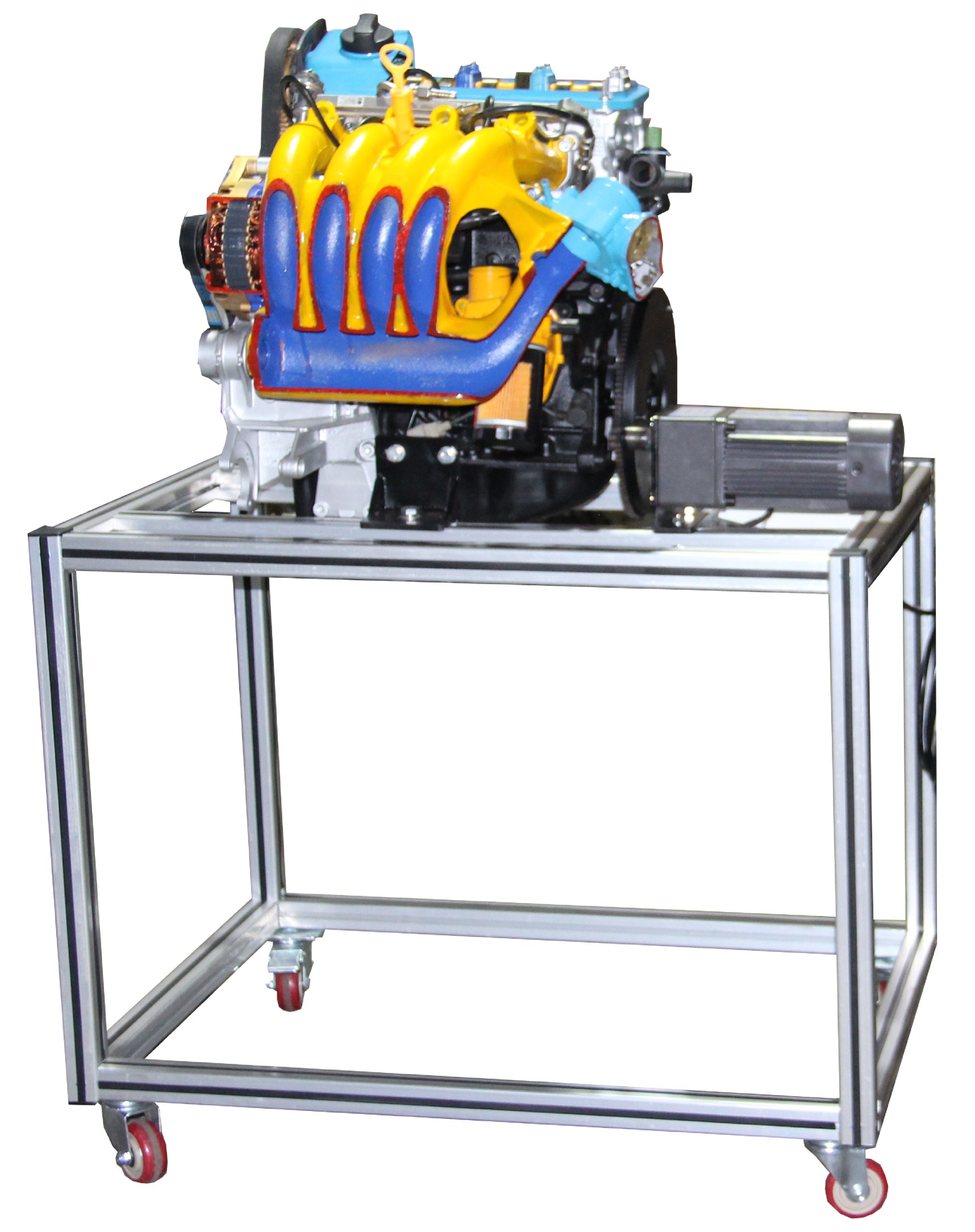
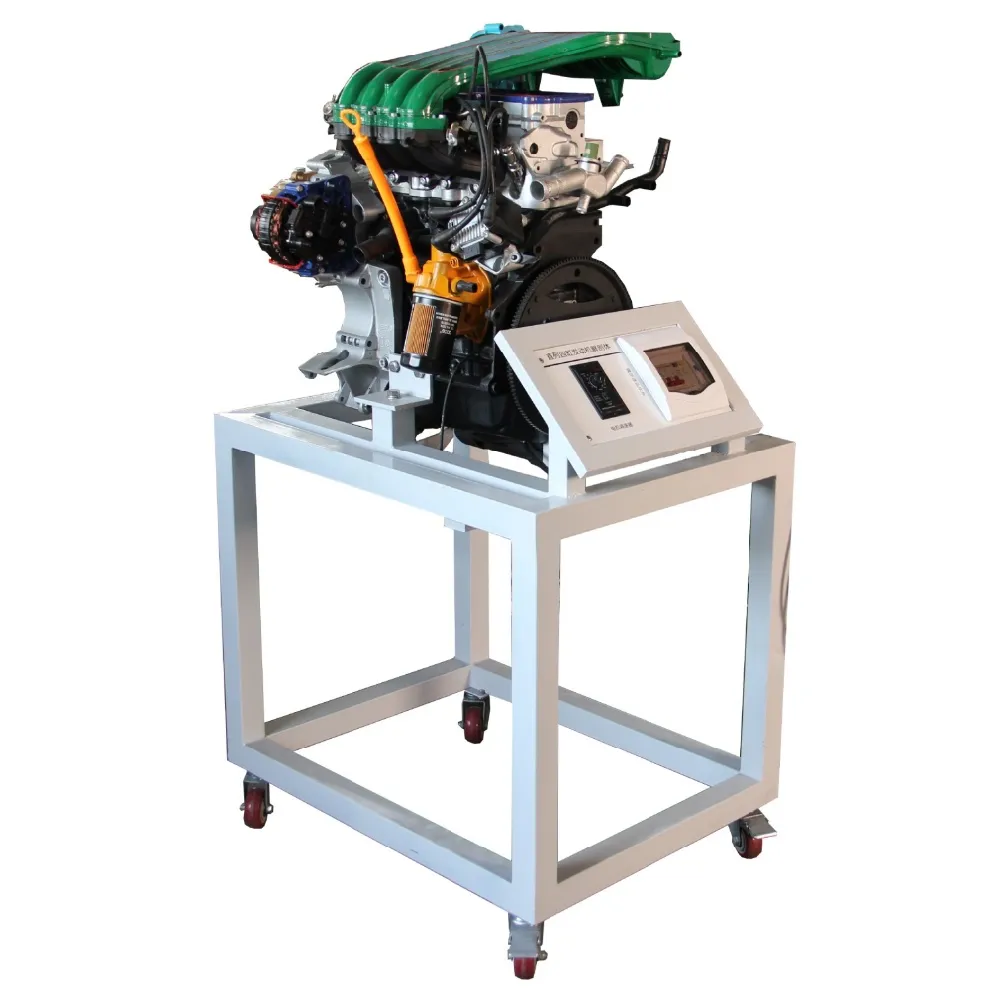
Engine disassembly training tables and powertrain demonstration units form the backbone of automotive education in vocational schools. These specialized systems allow students to understand internal combustion engine mechanics, component relationships, and assembly procedures through direct hands-on experience. Quality engine training equipment for vocational schools includes detailed cutaway engines, variable transmission boxes, and complete drivetrain assemblies that students can physically manipulate and inspect. The vocational schools engine and variable box training table represents a comprehensive solution that consolidates multiple learning objectives into a single, durable platform designed for classroom durability and repeated student use.
Hands-On Learning Through Disassembly Modules
Modern vocational schools recognize that passive observation cannot replace the muscle memory and cognitive understanding that comes from actual disassembly and reassembly work. Engine training tables specifically designed for vocational schools provide transparent sections, labeled components, and systematic disassembly sequences that guide student learning progressively. These tables accommodate rotating student groups, allowing multiple cohorts to gain experience with the same equipment throughout the academic year. Investing in robust disassembly systems ensures that vocational schools can deliver consistent, repeatable instruction in automotive fundamentals that directly correlates to entry-level technician skills employers demand.
Electrical Systems and Diagnostic Training Platforms
Electrical Competency Development in Vocational Schools
Electrical training represents a cornerstone of vocational schools curriculum, covering circuits, wiring, troubleshooting, safety protocols, and diagnostic procedures. Vocational schools must provide electrical training benches with live circuit simulators, short-circuit protection, and labeling systems that help students understand power distribution, component function, and failure modes safely. Comprehensive electrical platforms for vocational schools include wiring harness examples, connector types, relay systems, and sensor simulation to prepare students for real-world diagnostics. These systems must also teach safety protocols, grounding, and compliance with electrical codes that governing bodies require vocational schools graduates to understand before entering licensed trades.
Diagnostic Tool Integration for Vocational Schools
Today's vocational schools cannot ignore the digital diagnostic tools that technicians use in modern service environments. Electrical training systems should integrate computer-based diagnostics, multimeter practice stations, and oscilloscope training to ensure vocational schools graduates can operate industry-standard equipment. The combination of traditional circuit understanding with digital diagnostic capability positions vocational schools as institutions that truly prepare graduates for contemporary service roles. Equipment should be modular enough to simulate common failure scenarios that students will encounter in apprenticeships and early career positions after leaving vocational schools.
Welding, Fabrication, and Safety Equipment
Welding Stations and Material Handling for Vocational Schools
Welding programs at vocational schools demand specialized equipment including arc welders, gas welding systems, cutting torches, and material handling fixtures that teach proper technique and safety practices. Vocational schools welding labs must be equipped with ventilation systems, personal protective equipment stations, and fire safety apparatus that align with OSHA standards. Quality welding equipment for vocational schools includes practice coupons, test jigs, and inspection tools that allow students to develop precision and verify weld quality according to industry specifications. Consistent investment in well-maintained welding equipment ensures vocational schools can credential graduates who meet the rigorous safety and quality expectations of fabrication employers.
Fabrication Fundamentals Across Vocational Schools Programs
Beyond welding, vocational schools should equip students with experience using sheet metal tools, hydraulic presses, brake equipment, and computer-controlled cutting systems. Modern vocational schools increasingly integrate CNC and fabrication technologies that reflect job market realities. Students who graduate from vocational schools with exposure to both traditional and digital fabrication techniques command higher wages and face shorter learning curves in actual employment. Safety training integrated into every fabrication activity ensures vocational schools produces graduates who protect themselves and colleagues throughout their careers in industrial environments.
Hydraulics, Pneumatics, and Fluid Power Systems
Fluid Power Fundamentals in Vocational Schools Curricula
Hydraulic and pneumatic systems operate throughout industrial, construction, agricultural, and manufacturing sectors, making fluid power training essential in vocational schools programs. Comprehensive hydraulic demonstration systems teach pressure principles, component identification, valve operation, and troubleshooting within safe, controlled environments that vocational schools can maintain long-term. Mobile equipment, industrial machinery, and material handling systems all rely on fluid power, so vocational schools that offer advanced fluid power training produce graduates with competitive advantages in employment markets. Modular hydraulic trainer systems allow vocational schools to build custom circuits and simulate failure modes that develop problem-solving skills essential for field technicians.
Safety and Efficiency in Vocational Schools Fluid Power Training
Fluid power equipment for vocational schools must include pressure relief systems, leak detection training, energy conservation concepts, and environmental responsibility practices. Students who understand efficient system design and proper maintenance as taught in vocational schools become valuable employees who reduce operational costs for employers. Investing in quality hydraulic and pneumatic trainers positions vocational schools as serious institutions committed to producing technically competent graduates. These systems also provide opportunities for interdisciplinary learning where vocational schools students apply physics, mathematics, and engineering principles to real mechanical problems.
FAQ
What makes training equipment essential for vocational schools success?
Training equipment transforms vocational schools from theoretical learning environments into practical skill-development centers where students build competencies employers actively seek. Quality equipment allows vocational schools to replicate real-world conditions, teach safety protocols in controlled settings, and ensure graduates can operate industry-standard systems from their first day of employment. Equipment that reflects current industry standards demonstrates that vocational schools maintain relevance and commitment to graduate career success. Without appropriate equipment, even the most experienced instructors struggle to deliver the hands-on experience that employers expect from vocational schools graduates.
How should vocational schools prioritize equipment purchasing decisions?
Vocational schools should align equipment purchases with local labor market demand, employer partnerships, and program accreditation standards that govern training requirements. Surveying employers in your region helps vocational schools identify which technical skills command highest wages and strongest job prospects. Quality, durability, and ease of maintenance should factor heavily into vocational schools purchasing decisions, since equipment that requires excessive downtime ultimately reduces instructional effectiveness. Many vocational schools benefit from establishing advisory boards of local industry professionals who help guide equipment investments and ensure relevance to workforce needs.
How often should vocational schools upgrade or replace training equipment?
Vocational schools should conduct regular equipment assessments to identify systems that no longer reflect industry standards or require excessive repair costs. Equipment that teaches outdated techniques or fails to include modern diagnostic capabilities compromises the competitive positioning of vocational schools graduates in contemporary job markets. Most vocational schools establish replacement cycles of seven to ten years for core equipment, with more frequent upgrades in rapidly evolving fields like automotive diagnostics and digital fabrication. Strategic equipment investment ensures vocational schools continually deliver education that opens doors to stable, well-compensated careers in skilled trades.