 EN
EN

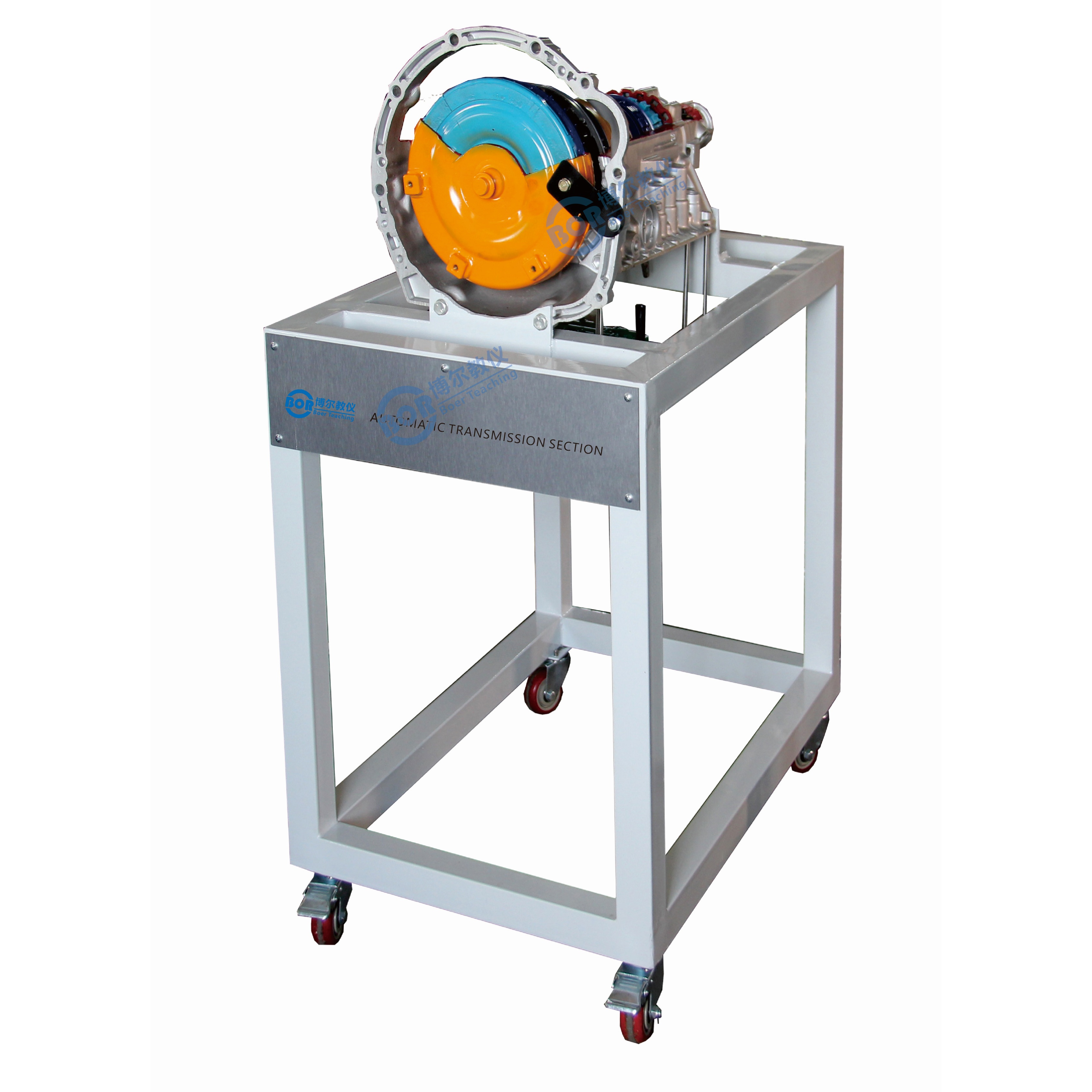
The automotive industry is undergoing a profound transformation, and automotive training simulators have become essential tools for preparing drivers, technicians, and safety specialists. Traditional methods of hands-on training are increasingly supplemented or replaced by sophisticated automotive training simulators that leverage artificial intelligence and virtual reality technologies. These advanced automotive training simulators create immersive, data-driven learning environments that reduce costs, enhance safety, and accelerate skill development across the entire automotive sector.
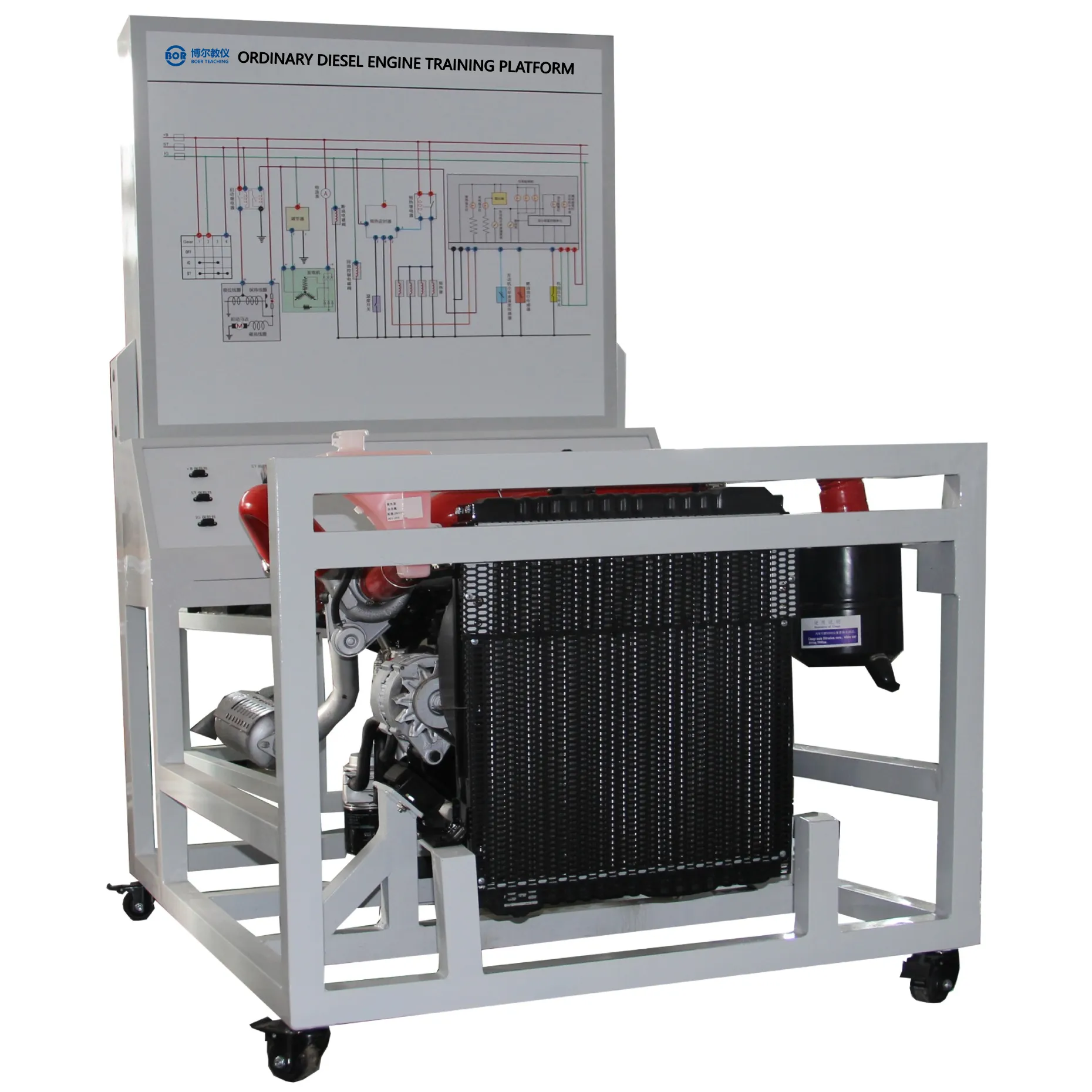
Modern automotive training simulators integrate cutting-edge technologies that fundamentally reshape how individuals learn vehicle operation, maintenance diagnostics, and emergency response procedures. By combining AI algorithms with immersive VR experiences, automotive training simulators now provide realistic scenarios, adaptive feedback, and measurable performance analytics that traditional classroom instruction cannot match. Organizations investing in automotive training simulators gain competitive advantages through improved employee competency, reduced liability exposure, and faster time-to-productivity for safety-critical roles.
How AI Enhances Automotive Training Simulators
Intelligent Scenario Generation and Real-Time Adaptation
Artificial intelligence has fundamentally changed how automotive training simulators function. Traditional automotive training simulators relied on pre-programmed scenarios with fixed outcomes, but AI-driven automotive training simulators now generate dynamic, personalized learning paths based on individual performance metrics. The AI engine analyzes user behavior, identifies skill gaps, and automatically adjusts scenario difficulty, environmental variables, and challenge complexity in real time. This adaptive capability ensures that automotive training simulators remain appropriately challenging without overwhelming or boring trainees, significantly improving knowledge retention and practical competency development.
Predictive Analytics and Performance Optimization
Modern automotive training simulators powered by machine learning algorithms track hundreds of performance variables simultaneously. These sophisticated automotive training simulators collect data on reaction times, decision-making patterns, error frequencies, and recovery strategies. AI models within automotive training simulators then predict which trainees require additional support, identify recurring mistakes, and recommend targeted interventions before performance issues escalate. Organizations using AI-enhanced automotive training simulators can now identify training needs proactively rather than reactively, resulting in safer, more competent workforces and measurable improvements in on-road safety metrics and incident reduction rates.
Virtual Reality Integration in Automotive Training Simulators
Immersive Learning Environments and Realistic Scenario Execution
Virtual reality technology has revolutionized the user experience within automotive training simulators. Modern automotive training simulators utilizing VR create photorealistic environments, vehicle interiors, and traffic conditions that closely replicate real-world driving scenarios. Trainees wearing VR headsets in automotive training simulators experience full sensory immersion, including visual depth perception, spatial awareness, and contextual environmental details that enhance neurological engagement. This heightened immersion significantly improves knowledge transfer and skill retention compared to traditional screen-based automotive training simulators, as the brain processes VR experiences similarly to actual driving situations.
Safe Exploration of High-Risk Scenarios
One of the most compelling advantages of automotive training simulators equipped with VR capabilities is the ability to safely practice dangerous, legally complex, or expensive-to-replicate scenarios. Automotive training simulators can simulate severe weather conditions, vehicle malfunctions, emergency braking situations, and multi-vehicle accident scenarios without any physical risk to participants. Trainees can practice recovery techniques, decision-making under stress, and emergency response procedures repeatedly within automotive training simulators until competency is achieved. This risk-free approach transforms how organizations prepare personnel for crisis situations, making automotive training simulators invaluable for safety-critical training programs where mistakes cannot be tolerated in real-world operations.
Business Impact and Industry Applications
Cost Reduction and Training Scalability
Organizations that deploy modern automotive training simulators experience dramatic reductions in training program costs. Traditional hands-on automotive driver training requires vehicle fuel consumption, maintenance expenses, insurance coverage, and extensive facility infrastructure, whereas automotive training simulators eliminate these ongoing operational expenses. Additionally, automotive training simulators can accommodate multiple simultaneous users and operate continuously without fatigue, enabling organizations to scale training programs rapidly without proportional increases in overhead costs. The initial capital investment in automotive training simulators typically returns within two to three years through operational savings alone, making them financially attractive for fleet operators, driving schools, commercial transportation companies, and automotive service centers.
Workforce Development and Regulatory Compliance
The transportation and automotive industries face increasing regulatory pressure regarding driver competency documentation and safety training verification. Modern automotive training simulators generate detailed performance records, competency assessments, and compliance documentation that satisfy regulatory requirements across multiple jurisdictions. Organizations using automotive training simulators can demonstrate that personnel have received standardized, evidence-based training that meets or exceeds industry safety standards. Fleet operators and logistics companies implementing automotive training simulators have reported measurable improvements in safety metrics, reduced accident rates, lower insurance premiums, and enhanced operational safety culture that extends far beyond individual training outcomes.
FAQ
What specific skills can automotive training simulators develop most effectively?
Automotive training simulators excel at developing decision-making skills under time pressure, emergency response procedures, vehicle handling in adverse conditions, defensive driving techniques, and hazard perception abilities. These capabilities are particularly difficult and dangerous to practice effectively using traditional methods. Automotive training simulators allow repeated practice of complex scenarios while collecting objective performance data, making them ideal for skills that require pattern recognition, rapid decision-making, and coordinated vehicle control. Research demonstrates that automotive training simulators are especially effective for developing emergency response competencies and improving performance in high-stress driving situations.
How do automotive training simulators compare to real-world driving practice in terms of learning effectiveness?
Research consistently shows that automotive training simulators combined with real-world practice produce superior learning outcomes compared to either method used independently. Automotive training simulators excel at building foundational skills, providing repeated practice of rare but critical scenarios, and delivering immediate objective feedback without safety risks. Real-world driving reinforces these skills in authentic contexts with genuine environmental complexity. Organizations using automotive training simulators as a component of comprehensive training programs report faster skill acquisition, higher competency levels, and better long-term performance retention than organizations relying solely on traditional methods. The combination of automotive training simulators and supervised real-world practice represents best-practice training methodology across professional driving communities.
What return on investment can organizations expect from implementing automotive training simulators?
Most organizations implementing automotive training simulators achieve positive return on investment within two to three years through reduced operational costs, lower insurance premiums resulting from improved safety records, and decreased accident-related expenses. Beyond financial metrics, automotive training simulators deliver significant returns through improved employee retention, reduced liability exposure, enhanced organizational reputation for safety, and faster development of highly competent workforces. Organizations that integrate automotive training simulators into comprehensive talent development programs report additional returns through improved employee satisfaction, reduced absenteeism, and stronger safety culture that permeates organizational operations. The total economic benefit of automotive training simulators typically extends well beyond direct cost savings to encompass broader organizational performance improvements.