Vocational and technical schools play a critical role in preparing students for skilled trades and professional careers. The success of these institutions depends largely on the quality and relevance of their teaching methods, curriculum design, and most importantly, the educational equipment available to students. Modern educational equipment transforms classrooms and workshops into practical learning environments where students develop real-world competencies through hands-on experience. Without proper educational equipment, students lack the opportunity to practice techniques, troubleshoot problems, and build confidence in their chosen field before entering the workforce.
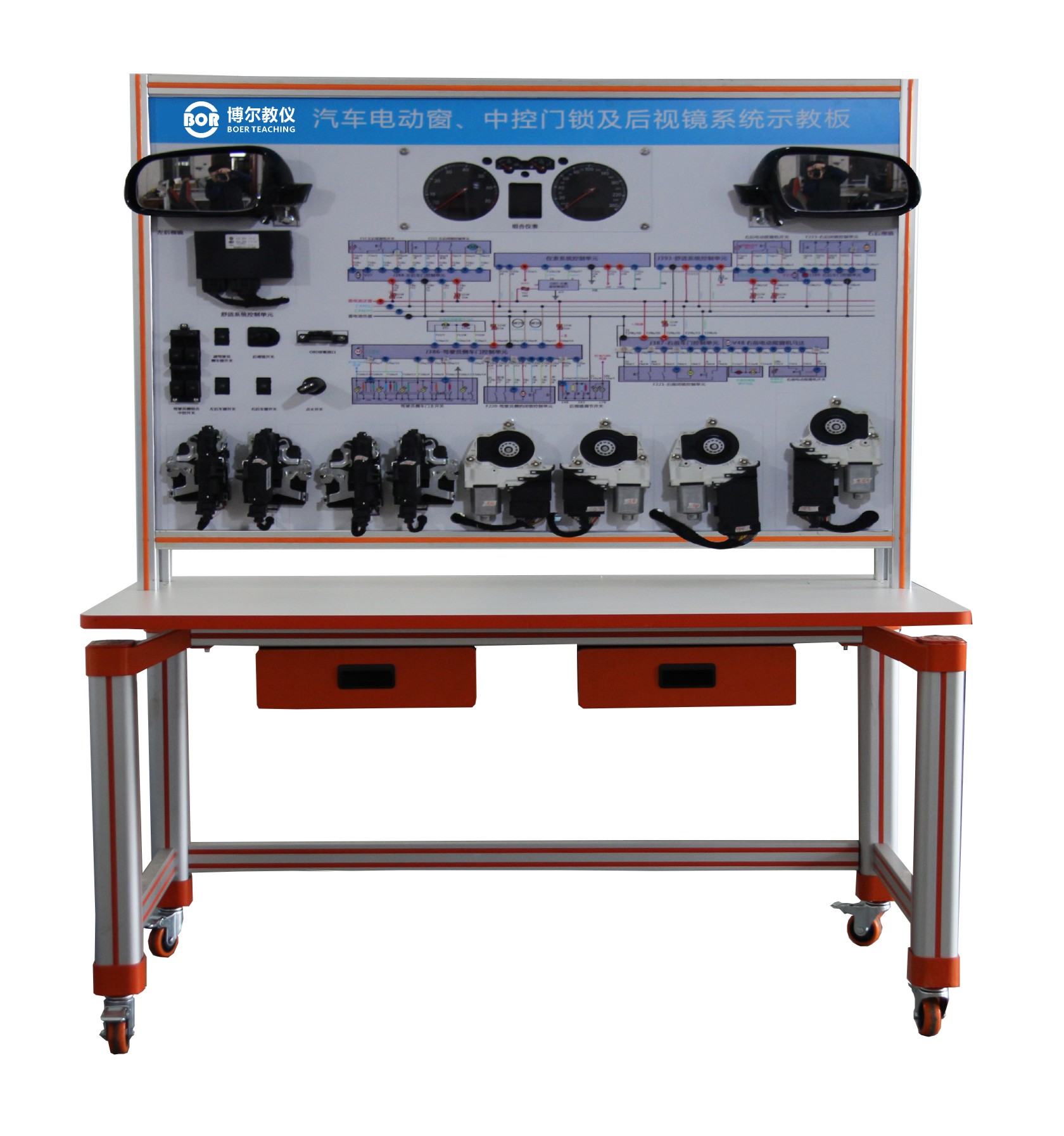
The integration of specialized educational equipment into vocational curricula directly correlates with improved student outcomes, higher graduation rates, and greater employer satisfaction. Educational institutions that invest in quality educational equipment report stronger industry partnerships, better apprenticeship placements, and enhanced reputation within their communities. Educational equipment serves as the bridge between theoretical knowledge and practical application, allowing instructors to create immersive learning scenarios that mirror workplace challenges and expectations.
One of the most essential categories of educational equipment in automotive and mechanical vocational programs is engine and powertrain training systems. These educational equipment units are designed to provide students with transparent, functional views of engine components and transmission systems. Students can observe internal mechanisms, learn about combustion processes, and understand how different engine configurations affect performance. Advanced educational equipment in this category often features modular designs that allow instructors to demonstrate multiple engine types and configurations without requiring entire separate installations.
Modern vocational training requires sophisticated diagnostic educational equipment that mirrors tools used in professional service environments. Oscilloscopes, multimeters, emission testers, and computerized diagnostic systems represent critical educational equipment investments for automotive and electrical programs. This educational equipment allows students to develop troubleshooting skills, interpret technical data, and make informed decisions about system repairs and maintenance. Instructors can use this educational equipment to simulate real-world problems, helping students develop problem-solving strategies before facing actual workplace scenarios.
Effective vocational education depends on educational equipment that enables repetitive, safe, and controlled practice environments. Students working with proper educational equipment can master mechanical procedures, electrical connections, pneumatic systems, and hydraulic operations without the pressure and liability concerns of production environments. This educational equipment approach accelerates learning by allowing students to make mistakes, learn from them, and refine their techniques in a supervised educational setting. The availability of quality educational equipment ensures that all students receive consistent instruction and comparable hands-on experience regardless of program cohort or instructor variation.
Many vocational graduates must pass industry certification exams to pursue career advancement and licensing requirements. Educational equipment specifically designed around certification standards helps students prepare effectively for these assessments. When vocational schools invest in educational equipment that aligns with industry certification requirements, students develop competencies that directly transfer to professional environments. This educational equipment investment demonstrates institutional commitment to student success and increases the likelihood that graduates will achieve certification on their first attempt, saving time and money for both students and employers.
Selecting the right educational equipment requires careful analysis of program objectives, student skill levels, and industry standards. Vocational administrators and instructors should evaluate educational equipment options based on durability, maintenance requirements, space constraints, and budget limitations. The best educational equipment investment aligns with both current curriculum needs and anticipated future industry trends. Institutions should also consider how educational equipment scalability allows for program expansion or modification as workforce demands evolve and new technologies emerge in specific trade sectors.
Successfully implementing educational equipment requires thoughtful integration into lesson planning and instructional methodology. Instructors need sufficient training and preparation time to maximize the pedagogical value of educational equipment within their teaching practice. Educational equipment should complement rather than replace traditional instruction, creating blended learning approaches that develop both theoretical understanding and practical skill. Institutions that provide ongoing professional development for faculty members significantly improve outcomes related to educational equipment utilization and student achievement. Documentation and standardized procedures for educational equipment operation ensure consistent student experiences and facilitate efficient equipment maintenance and replacement cycles.
Educational equipment provides hands-on learning opportunities that directly engage students with real-world tools and systems. When students interact with authentic educational equipment during their training, they develop muscle memory, practical problem-solving skills, and industry-specific confidence. Research consistently demonstrates that vocational programs featuring quality educational equipment produce graduates with higher employment rates, faster job placement, and greater employer satisfaction compared to programs with limited equipment resources.
Vocational institutions should consider both initial purchase costs and long-term operational expenses when budgeting for educational equipment. Factors including maintenance requirements, parts availability, training needs, and equipment lifespan significantly affect the total cost of ownership for educational equipment investments. Schools should also evaluate whether leasing or shared equipment arrangements with industry partners might provide cost-effective access to specialized educational equipment without requiring complete institutional ownership, particularly for expensive or specialized systems.
The replacement schedule for educational equipment depends on specific equipment types, technological advancement rates, and program requirements. Basic mechanical tools and stationary educational equipment may have useful lives extending fifteen to twenty years with proper maintenance, while computerized diagnostic educational equipment might require updates every five to seven years to remain current with industry standards. Successful vocational institutions establish proactive equipment assessment protocols that evaluate educational equipment condition, relevance, and alignment with industry practices rather than waiting for complete failure before replacement or upgrade decisions.
 EN
EN