
The automotive industry faces an unprecedented challenge: technicians must master increasingly complex vehicle systems while minimizing costly errors and downtime. Automotive training simulators have emerged as the cornerstone solution, enabling institutions and manufacturers to deliver hands-on instruction without the risks and expenses of traditional methods. These immersive platforms replicate real-world scenarios, allowing learners to encounter failures, troubleshoot problems, and develop expertise in a controlled environment where mistakes carry no financial penalty. The transformation goes beyond simple convenience—automotive training simulators fundamentally reshape how technical knowledge is acquired, retained, and applied in professional settings.
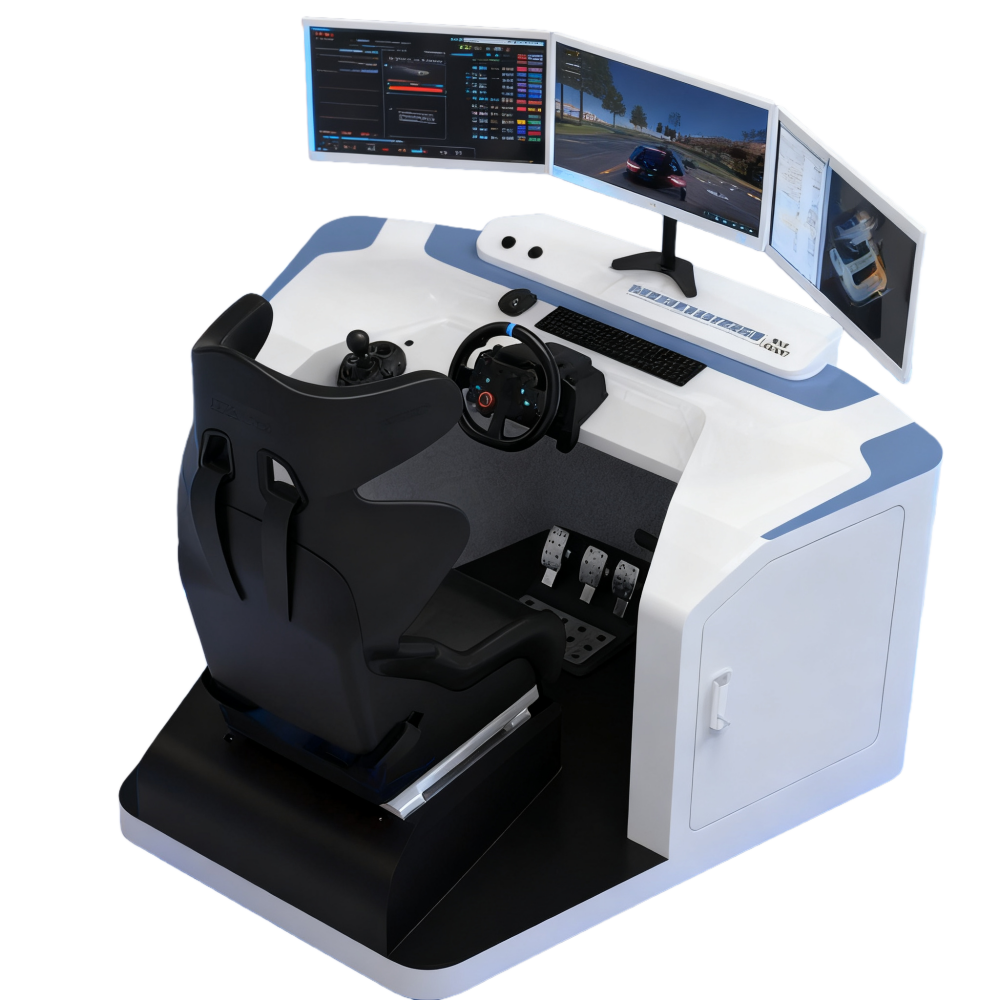
Modern automotive training simulators integrate cutting-edge technologies—artificial intelligence, real-time diagnostics, and networked connectivity—to create learning environments that match or exceed live vehicle instruction. Technicians can diagnose electric vehicle powertrains, practice hybrid system repairs, and troubleshoot advanced driver-assistance systems without physical vehicles on hand. This capability has proven essential as vehicle complexity accelerates and manufacturers release new platforms faster than traditional training cycles can support. Educational institutions, dealerships, and independent repair shops now recognize that investing in automotive training simulators directly correlates with faster technician certification, higher first-time repair success rates, and significantly improved customer satisfaction metrics.
Automotive training simulators excel at recreating the exact diagnostic scenarios technicians encounter daily. Instead of waiting for a faulty vehicle to arrive at a service bay, learners can immediately practice diagnosing common faults, electrical failures, and sensor malfunctions. These simulators present randomized problem sets, ensuring that technicians develop pattern recognition and troubleshooting logic rather than memorizing scripted fixes. The automotive training simulators generate performance data that instructors use to identify knowledge gaps, allowing personalized feedback and targeted remediation before certification assessments.
Traditional hands-on training demands expensive vehicles, specialized equipment, and constant maintenance—investments that drain budgets without proportional learning gains. Automotive training simulators eliminate this burden by enabling unlimited practice attempts on virtual vehicles. Trainees can experiment with diagnostic sequences, test theories, and make mistakes without damaging five-figure vehicles or tools. This psychological safety encourages deeper exploration and faster learning velocity. Studies consistently show that learners using automotive training simulators achieve competency 25 to 40 percent faster than those relying solely on classroom instruction or limited hands-on access.
Major automotive dealerships deploy automotive training simulators to onboard new technicians and upskill existing teams on emerging vehicle technologies. When a manufacturer releases an entirely new platform—particularly electric or hybrid vehicles—dealerships cannot afford production delays while technicians attend distant training centers. Instead, automotive training simulators enable rapid, location-agnostic training that ensures technicians are proficient before brand-new vehicles enter service. This approach dramatically reduces warranty claims caused by technician unfamiliarity and accelerates time-to-productivity for new hires.
Independent repair facilities compete with franchised dealerships partly through technician expertise. Automotive training simulators level the playing field by providing affordable access to diagnostic training that previously required expensive manufacturer partnerships or travel to specialized centers. Small shops can now train technicians on the latest diagnostic protocols, software, and troubleshooting methodologies without prohibitive costs. This democratization of technical training allows independent operators to maintain customer loyalty and market share even as vehicle complexity accelerates.
Community colleges and vocational schools integrate automotive training simulators into curricula to prepare students for industry careers. By combining classroom theory with simulation-based practice, educators create comprehensive learning pathways that result in job-ready graduates. Automotive training simulators reduce the physical infrastructure burden—institutions no longer need extensive bays, lift systems, and junked vehicles for practice. This efficiency allows schools to expand enrollment and reach underserved populations interested in automotive careers without proportional facility expansion.
The financial case for automotive training simulators is compelling. Initial software licensing and hardware costs are recovered within 18 to 24 months through reduced vehicle damage, faster technician productivity, and decreased training overhead. Automotive training simulators eliminate recurring expenses associated with vehicle maintenance, fuel, consumable parts, and facility operations tied to hands-on training bays. Organizations also reduce liability exposure by controlling the learning environment and documenting every trainee interaction for compliance and quality assurance purposes.
Automotive training simulators deliver identical training scenarios to every learner, ensuring standardized knowledge across technician populations. This consistency proves invaluable for multi-location organizations where uniform competency standards are essential. Automotive training simulators scale effortlessly—adding 50 new trainees requires only software licenses, not facility expansion or instructor recruitment. This scalability allows organizations to respond rapidly to workforce demands, seasonal hiring needs, or technology transitions without structural constraints.
Advanced automotive training simulators generate detailed performance analytics that reveal individual strengths, weaknesses, and learning progression. Instructors identify which diagnostic concepts require reinforcement, which trainees need additional support, and which training modules need content updates. This data informs continuous improvement of training programs, ensuring resources focus on high-impact learning outcomes. Performance dashboards also help organizations make evidence-based decisions about trainee advancement, certification readiness, and specialized skill development pathways.
Modern automotive training simulators cover comprehensive vehicle systems including engine management, transmission diagnostics, electric powertrains, hybrid systems, battery management, brake assemblies, suspension components, steering systems, climate control, body electronics, and advanced driver-assistance systems. As vehicles become increasingly software-intensive, automotive training simulators continuously expand their scope to include telematics, vehicle-to-infrastructure communication, and autonomous vehicle functions. This breadth ensures that technicians develop competency across the full spectrum of contemporary vehicle technology.
Automotive training simulators employ spaced repetition, progressive difficulty scaling, and scenario variation to optimize memory consolidation and skill retention. Rather than presenting identical diagnostic problems repeatedly, automotive training simulators generate variations that reinforce underlying principles while preventing rote memorization. Multimodal learning—combining visual diagnostics, written explanations, interactive simulations, and performance feedback—strengthens neural pathways associated with technical decision-making. This evidence-based approach produces retention rates that significantly exceed traditional lecture-based training methods.
Automotive training simulators function optimally as a complement to limited hands-on practice rather than a complete replacement. The ideal training model combines simulation-based diagnostic and troubleshooting practice with selective hands-on experience on actual vehicles, optimizing learning efficiency and transfer of skills. Automotive training simulators handle the high-volume, repetitive diagnostic practice that would otherwise consume expensive equipment and facility time. Once conceptual competency is established through simulation, technicians apply and refine skills through supervised hands-on work, creating a blended approach that maximizes both learning outcomes and resource utilization.
 EN
EN