
Automotive training simulators have revolutionized how educational institutions prepare students for modern vehicle maintenance, diagnostics, and operation. These sophisticated systems provide hands-on learning environments without the associated costs and safety risks of traditional workshop training. Schools and colleges increasingly recognize that automotive training simulators deliver measurable improvements in student competency, retention rates, and job readiness while reducing equipment damage and insurance liability.
The landscape of automotive training simulators continues to evolve rapidly, driven by advances in virtual reality, artificial intelligence, and real-time data analytics. Educational leaders must understand the critical features, performance metrics, and implementation strategies that distinguish high-quality automotive training simulators from basic alternatives. This comprehensive guide explores the essential characteristics of top-tier solutions and how institutions can evaluate and integrate automotive training simulators into their curricula effectively.
The most effective automotive training simulators replicate complex engine behavior, transmission systems, and powertrain diagnostics with exceptional accuracy. Advanced automotive training simulators employ physics-based modeling to simulate fuel injection patterns, combustion timing, emissions data, and sensor responsiveness. Students using these automotive training simulators learn to interpret diagnostic trouble codes, understand root causes of mechanical failures, and develop critical thinking skills that transfer directly to professional environments. The fidelity of automotive training simulators in this domain dramatically improves diagnostic proficiency compared to theoretical instruction alone.
Leading automotive training simulators combine electrical, hydraulic, brake, steering, and climate control systems into cohesive learning environments. These integrated automotive training simulators allow students to understand how vehicle systems interact, preventing isolated knowledge gaps that often persist in traditional training. Premium automotive training simulators include manufacturer-specific diagnostic interfaces, allowing learners to work with authentic scanning tools and protocols they will encounter professionally. This comprehensive approach ensures automotive training simulators deliver preparation that directly aligns with industry-standard service procedures and troubleshooting methodologies.
Automotive training simulators eliminate the inherent dangers of working on actual vehicles during the learning phase. Students can practice high-risk scenarios, component failures, and emergency procedures within automotive training simulators without risking personal injury, equipment damage, or environmental contamination. Educational institutions benefit from substantially reduced liability exposure and insurance premiums when implementing automotive training simulators. The psychological advantage of practicing difficult techniques in automotive training simulators fosters confidence and competence that students then transfer to actual service environments with measurable improvements in performance and safety awareness.
Automotive training simulators significantly reduce the consumption of expensive diagnostic and repair components during the learning phase. Traditional shop training often requires replacing parts repeatedly as students practice, consuming substantial budgets and generating waste. Automotive training simulators allow unlimited repetition without physical component degradation, making them economically superior over institutional lifecycles. Schools utilizing automotive training simulators report reduced maintenance costs on teaching vehicles, extended equipment lifespan, and improved overall training program ROI. The financial case for automotive training simulators strengthens further when considering facility space requirements, specialized ventilation systems, and waste management infrastructure that automotive training simulators can partially or fully replace.
Educational institutions must evaluate how automotive training simulators integrate with existing curricula and support progressive skill development across semesters and program levels. The best automotive training simulators offer modular content that begins with foundational concepts and advances through intermediate diagnostics to expert-level troubleshooting. Scalable automotive training simulators grow alongside institutional needs, supporting individual workstations, classroom labs, and distributed remote learning scenarios. Schools should prioritize automotive training simulators with demonstrated flexibility to accommodate diverse vehicle platforms, manufacturer protocols, and emerging technologies like hybrid and electric powertrains that increasingly define modern automotive service requirements.
Successful implementation of automotive training simulators depends critically on comprehensive faculty training and responsive technical support infrastructure. Premium automotive training simulators providers offer dedicated instructor resources, curriculum planning assistance, and ongoing professional development that accelerates adoption and maximizes educational outcomes. Institutions evaluating automotive training simulators should carefully assess support responsiveness, troubleshooting resources, software update frequency, and availability of training materials. The most effective automotive training simulators selections include provisions for regular instructor certification and recertification, ensuring faculty remain current with platform capabilities and can optimize student learning experiences continuously.
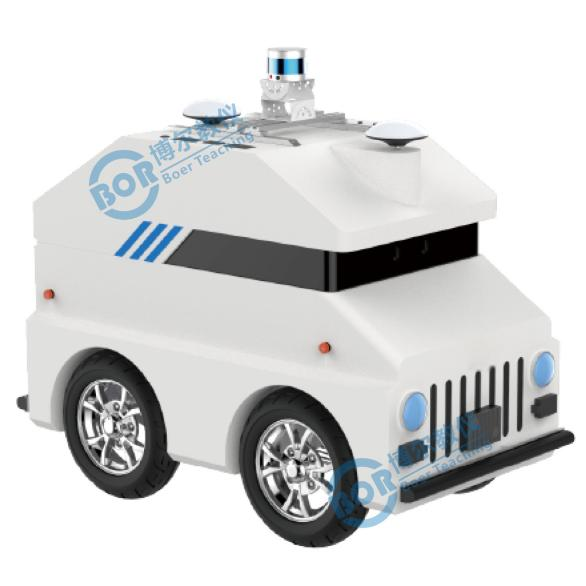
Cutting-edge automotive training simulators now incorporate autonomous driving systems, advanced driver assistance features, and sensor array diagnostics essential for next-generation service technicians. Educational institutions implementing automotive training simulators with autonomous vehicle modules prepare students for the rapidly evolving automotive industry landscape. These automotive training simulators expose learners to lidar, radar, camera integration, and the sophisticated software diagnostics required for autonomous vehicle maintenance and repair. Schools that adopt automotive training simulators featuring emerging technology capabilities position graduates as highly competitive candidates in today's technology-forward automotive service market.
Advanced automotive training simulators employ artificial intelligence and learning analytics to track student progress, identify knowledge gaps, and personalize instructional pathways. These sophisticated automotive training simulators generate detailed performance reports showing comprehension levels, skill mastery timelines, and areas requiring additional focus. Instructors leveraging data from automotive training simulators can differentiate instruction, allocate time more effectively, and document learning outcomes with precision that supports institutional accountability and accreditation requirements. The adaptive features of premium automotive training simulators ensure each student progresses at an appropriate pace while maintaining engagement and motivation through tailored challenge levels and scenario complexity.
Automotive training simulators enable students to develop proficiency in reading diagnostic trouble codes, interpreting sensor data, performing systematic troubleshooting procedures, and documenting service procedures accurately. Students practice connecting diagnostic scan tools, navigating manufacturer-specific software interfaces, understanding electrical circuit diagrams, and applying logic-based problem-solving to complex vehicle failures. These hands-on skills developed through automotive training simulators directly transfer to professional service environments, reducing the learning curve and accelerating new technician productivity in actual shop settings.
Automotive training simulators offer superior safety, cost efficiency, and learning consistency compared to traditional workshop training alone. While hands-on work on actual vehicles remains important for certain skills, automotive training simulators eliminate equipment damage risks, reduce expensive component consumption, and allow unlimited repetition without degradation. The most effective educational programs combine automotive training simulators for foundational and diagnostic training with limited hands-on vehicle work, optimizing both learning outcomes and resource utilization while preparing students more thoroughly than either approach alone.
Premium automotive training simulators support diverse vehicle platforms, engine configurations, and manufacturer diagnostic systems, typically including domestic and international makes across multiple model years. Many automotive training simulators allow educators to select specific vehicles relevant to their regional service market, local dealer partnerships, or curriculum focus areas. The flexibility of modern automotive training simulators ensures institutions can align training content with market demand while providing students exposure to diagnostic variation across different vehicle manufacturers and technologies.
 EN
EN