
Electric vehicle numbers are climbing fast, but many shops still lack trained staff who can handle these vehicles properly. Industry reports indicate something alarming - around 10% of techs don't have proper EV certifications yet. When those high voltage powertrains start showing up regularly at repair bays, old school training just doesn't cut it anymore. We're talking about real dangers here like battery fires from thermal runaway events or getting zapped by those 800 volt circuits. New training programs tackle this problem head on by building skills step by step while keeping trainees safe from actual electrical hazards. These programs throw trainees into realistic diagnostic situations similar to what they'll face on the job, which cuts down learning time significantly compared to traditional apprenticeships. Some schools report their students pick things up about twice as fast as before. Plus, these modern approaches work well with existing certification standards from ASE and NATEF, so grads actually walk away with credentials employers recognize and respect.
Simulation based training gives learners instant feedback something that traditional methods just cant match when dealing with complicated stuff like battery management systems and regenerative braking tech. Schools that have adopted these simulation tools are seeing around 47 percent more students passing their EV certification tests on the first try. Manufacturers also benefit because they can roll out content that adapts itself automatically so curricula stay fresh even as new tech emerges like those 800 volt systems and the latest solid state battery designs. When we look at how these training platforms combine proper skill checks with the ability to safely practice fixing problems multiple times without risk, its clear why they form the foundation for building a workforce capable of handling electric vehicles both now and into the future.
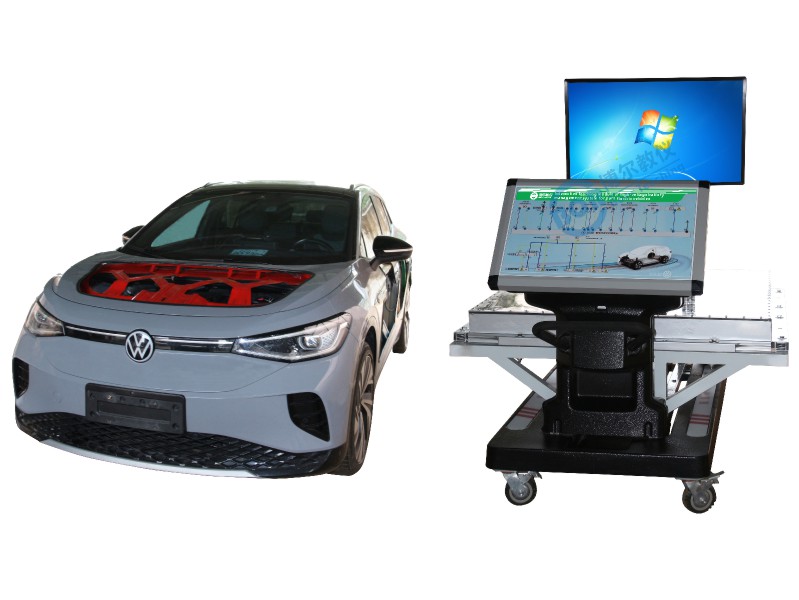
Effective electric vehicle technician education relies on three strategic training models that balance theoretical knowledge with hands-on application. Each model supports different competency levels and adapts to institutional capacity and resource availability.
Training programs often make use of parts from old electric vehicles or specially built training setups that include high voltage systems. Students get real world practice with things like battery packs, motor assemblies, and charging hardware, learning how to isolate circuits safely while properly dressed in protective gear. The actual physical work helps them remember important safety steps and how to run diagnostics when instructors are watching closely. Take battery swaps as an example. During these exercises, trainees handle thermal management systems in lab environments where mistakes won't cause real damage, which lets them practice good habits without putting themselves or others at risk.
Training models in digital formats make use of MATLAB and Simulink to create simulations of powertrain operations. Trainees get hands on experience modeling things like battery wear over time, how regenerative braking works, and what happens in power distribution networks. When it comes to faults, trainers can introduce problems such as internal short circuits for analysis purposes without putting anyone at risk or damaging actual equipment. The whole approach cuts costs significantly while letting learners try different scenarios multiple times. It really helps build deeper knowledge about how battery management systems interact with motor controllers long before anyone touches real hardware.
The hybrid approach to training combines online learning at one's own pace with regular face-to-face lab work. Learners start off diving into fundamental topics such as different types of batteries and how power systems work through digital courses before getting their hands dirty during practical sessions. What makes this setup effective is that it cuts down on how long people need to be physically present in labs but still gives them those important hands-on experiences they crave. Schools have noticed something interesting too - when they switch to these blended methods, they can actually fit around 35 percent more students into their programs than traditional classroom settings allow, all while maintaining good results when it comes to technical skills assessment.
The automotive industry relies on several established standards like ASE (Automotive Service Excellence), NATEF (National Automotive Technicians Education Foundation), and SAE International to outline what skills electric vehicle technicians really need. These include working safely around high voltage systems, figuring out battery problems, and diagnosing issues with power electronics components. Good training programs follow these guidelines closely by creating learning experiences that start with basic concepts before moving into more complex diagnostic work. When programs match ASE's requirements for EV certifications and meet NATEF's accreditation standards, they provide clear roads to getting workers job ready. At the same time, smart programs can still adjust when local regulations differ across different regions without losing their effectiveness.
What really matters about these training models is how well they can bridge what happens on screen with what actually works when someone gets hands-on with equipment. The best simulations need pretty tight electrical specs, around plus or minus 3% accuracy, while also factoring in all those little things that happen in real life like changing temperatures or vibrations from roads. Top notch training setups take this further by mixing augmented reality with actual hardware parts. For instance, some systems simulate battery failures through live thermal images and real time voltage readings. This combination method helps fix the old problem where people learn one thing in a simulator but struggle when faced with real cars needing repair. Mechanics who train this way tend to think through problems faster because their brain has already practiced similar situations countless times in a safe environment before ever touching a real vehicle.
Validating training effectiveness is essential in EV education. Data from structured assessments confirm that advanced training models significantly enhance technician performance across key metrics.
When it comes to education, simulation based training is changing how people learn skills. Students who go through these programs show about 72 percent better accuracy at making diagnoses during tests than folks who stick with old school methods. This means fewer mistakes that cost money and time down the road. Getting good at what they do takes trainees around 34% less time because they get to practice real situations repeatedly. Their brains pick things up faster and their hands get better at the actual work too. For instance, automotive service excellence certification scores jump nearly 55% for students who use simulators instead of just reading books. The numbers tell us something important about learning: actually doing things matters a lot. That's why top technical schools across the country have started putting more than 40% of their electric vehicle courses into hands on simulations rather than lectures from textbooks.
According to research from the National Renewable Energy Lab in 2023, techs who went through 20 hours of simulated diagnostic training improved their ability to spot problems in high voltage batteries by nearly 78%. The reason? These simulations let trainees mess up and fix things without risk, something impossible when working on actual cars. After completing this virtual training, none of the participants had any accidents during real world practice sessions, which shows they actually learned what matters. For electric vehicle repair shops looking to build competent teams, investing in these kinds of training tools makes complete sense for both safety reasons and long term skill development across the workforce.
Training is crucial for EV technicians due to the specific skills needed to handle high-voltage systems safely and efficiently. Proper training reduces risks such as battery fires and electric shocks while equipping technicians with up-to-date knowledge on evolving technologies.
Simulation-based training offers immediate feedback and allows for risk-free practice of complex scenarios, resulting in higher first-time pass rates for certifications and real-world problem-solving skills.
Effective training models are mapped to standards from ASE, NATEF, and SAE, ensuring that technicians are well-prepared to meet industry requirements and can adapt to different regional regulations.
Advanced training models improve diagnostic accuracy by 72%, reduce time-to-competency by 34%, and significantly raise certification scores, validating their role in enhancing technician readiness for modern EVs.
 EN
EN