
Learning to drive on actual roads comes with all sorts of surprises nobody prepares for - think rush hour gridlock, pouring rain, or some random kid chasing a ball into traffic. The problem is these ever-changing conditions make it hard for new drivers to really get good at what they're doing. Skills picked up in quiet parking lots tend to vanish when someone actually has to handle real street situations. A recent study from NHTSA found that students who spend time in driving simulators first end up having 37% fewer accidents while learning behind the wheel. These virtual systems let instructors recreate dangerous situations safely, like dealing with skidding tires on wet pavement or avoiding collisions at intersections. No need to risk lives or damage cars just to teach important defensive driving techniques.
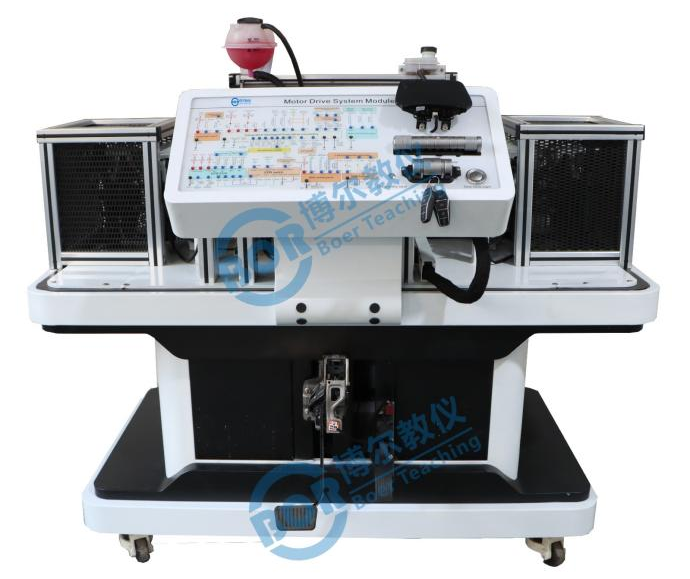
Operating a fleet of training vehicles incurs significant recurring expenses. For a standard five-car instructional fleet, annual costs are substantially higher than simulator-based alternatives:
| Expense Category | Annual Real-Car Cost | Simulator Equivalent |
|---|---|---|
| Fuel & Maintenance | $28,000 | $1,200 (electricity) |
| Insurance Premiums | $18,000 | $800 (equipment policy) |
| Instructor Hours | 300+ weekly | 100 weekly (remote monitoring) |
These efficiencies allow training providers to scale operations and serve up to four times more learners without compromising quality—critical for addressing driver shortages in commercial fleets.
Governments around the globe are starting to see simulators not just as toys but actual tools for teaching drivers. Take the EU for example - their Directive 2020/1257 lets trainees do half their required lessons in approved simulators. Across the pond, American regulators at FMCSA count simulator time when people apply for commercial licenses. Things get interesting in Asia Pacific where Singapore has created its own framework called Vehicle Simulator Competency. This system focuses on things like how realistic the steering feels and whether scenarios actually test what they should, helping create consistency between different countries' training standards. What all these rules really mean is that there's now a clear path for institutions wanting to incorporate simulation tech into their courses, which explains why we're seeing so many schools and companies jumping on board with virtual training solutions lately.
Modern driving simulators rely on sophisticated physics engines that recreate fundamental vehicle dynamics with remarkable accuracy. The systems perform real time calculations to determine tire grip levels depending on road surface conditions, ambient temperatures, and tire wear, which then adjusts traction characteristics as drivers make different maneuvers. When it comes to weight distribution changes during acceleration, sudden stops, or tight corners, these simulations get pretty close to reality, helping trainees understand exactly how shifting loads impact overall stability. Special attention has been given to electric vehicles too, where the software accounts for immediate torque response and regenerative braking effects that have been tested against actual data from real cars on the road. All this detailed programming means students can practice handling scenarios like navigating wet pavement, making panic stops, or pushing limits at speed without any actual danger involved.
Haptic tech is bridging what was once a big divide between driving simulations and actual cars on the road. Modern brake pedals now incorporate load cell sensors that mimic the feel of real hydraulic systems. This means drivers have to engage their muscles exactly as they would when performing threshold braking in an actual vehicle. The steering systems take things further with direct drive motors that provide detailed feedback about road conditions. Drivers can actually feel differences in pavement texture or notice when tires start losing grip. For full immersion, motion platforms equipped with hydraulic actuators recreate those important G-forces we experience during sudden maneuvers. These vibrations through the seat give incredibly realistic sensations. All these components work together to develop muscle memory and quick reflexes essential for safe driving situations. Plus, there's no need to worry about regular car maintenance costs since these systems don't require oil changes or tire rotations.
Today's driver training software makes use of real time data analysis so that simulation sessions become actual coaching experiences rather than just practice runs. These platforms constantly track things like how fast someone turns the wheel, how hard they hit the brakes, and how often they check their mirrors. The system then applies some pretty sophisticated math related to car movement to spot areas where drivers need improvement, doing this about 40 percent quicker than regular instructors according to research from NHTSA back in 2023. What does this mean for learners? They get instant feedback right when they make mistakes, plus customized lesson plans tailored specifically to their weaknesses instead of following one size fits all approaches.
Adaptive AI evaluates micro-decisions during simulated drives, scoring performance across key metrics:
This granular analysis powers customized remediation modules, with studies showing a 57% reduction in risky maneuvers during post-training road tests under EuroNCAP protocols.
Immersive technologies enhance cognitive development by projecting training layers into the driver’s field of view:
These features accelerate threat recognition—trainees show 33% faster response times when transitioning to real cars. By integrating cognitive scaffolding, simulators become comprehensive skill incubators for modern vehicle technologies.
| Skill Dimension | Improvement Rate | Measurement Standard |
|---|---|---|
| Steering Control | 62% faster mastery | ISO 26262-8:2018 |
| Hazard Response | 48% reduction in errors | VR Hazard Perception Test |
| System Familiarity | 75% retention at 90 days | OEM Transition Assessment |
Table: Performance benchmarks for adaptive automotive training systems based on multi-OEM validation studies
The best simulator systems today come equipped with digital replicas of actual electric vehicles and connected cars, which allows for much better training experiences. These virtual copies can mimic things like how hard the regenerative brakes work, how batteries drain when going downhill, and even track how software updates change advanced driver assistance systems (ADAS). For instance, some models might handle lane centering differently from year to year or adjust their emergency brake response based on firmware versions. When simulators get these manufacturer-specific quirks right in terms of dashboard layouts and how systems think, drivers actually learn what to expect when switching between different brands on the road. Studies show around two thirds of accidents that could have been avoided happen because drivers don't know their way around the unique features of various ADAS setups. That's why getting all these little details spot on matters so much for keeping people safe behind the wheel.
Certified simulators comply with ISO 2631-1 for whole-body vibration and EN 16108 for motion-response accuracy, ensuring training fidelity. Key technical benchmarks include:
Manufacturers validate systems using standardized tests across 320 performance indicators. Devices meeting these criteria produce learning outcomes statistically equivalent to supervised on-road training, according to 2023 driver competency studies. This standardization ensures training equipment remains effective and compliant as vehicle technology evolves, satisfying global licensing authorities and OEM partners alike.
Driving simulators offer a controlled environment where trainees can experience and practice handling dangerous situations without risk, significantly reducing the likelihood of accidents. They also provide cost-saving benefits by lowering expenses related to fuel, maintenance, and insurance of real vehicles.
Global regulatory shifts, such as EU's Directive 2020/1257 and similar frameworks in the US and Asia Pacific, enable a significant part of driving education to be done using simulators. These regulations create a clearer path for institutions to integrate simulation technology into their training programs.
Modern simulators are highly accurate due to sophisticated physics engines and force feedback systems that replicate tire grip, weight transfer, and vehicular dynamics. They even simulate electric vehicle-specific traits to offer trainees a realistic driving experience.
AI in car training simulators assesses driver performance in real-time, offering customized feedback and lesson plans. It evaluates micro-decisions—like steering and braking—helping reduce the occurrence of risky maneuvers and improving driver skills rapidly.
 EN
EN