
Modern auto programs use operational vehicles as primary teaching tools, with 87% of accredited schools reporting improved comprehension when students troubleshoot live electrical systems rather than textbook diagrams (NAFTC 2023). This tactile approach helps learners connect theories about combustion cycles or transmission ratios to physical components like alternators and differential assemblies.
Daily practice with brake rotor replacements and torque wrench calibrations develops muscle memory for industry workflows. Students who complete 50+ hours of engine disassembly/reassembly training show 40% faster diagnostic times compared to simulation-only peers, according to a 2023 study by the Automotive Education Coalition.
Rotating tires while calculating lug nut torque values combines spatial reasoning with applied mathematics. Manipulating fuel injectors or wiring harnesses enhances fine motor control, critical for EV battery maintenance where millimeter precision prevents thermal incidents.
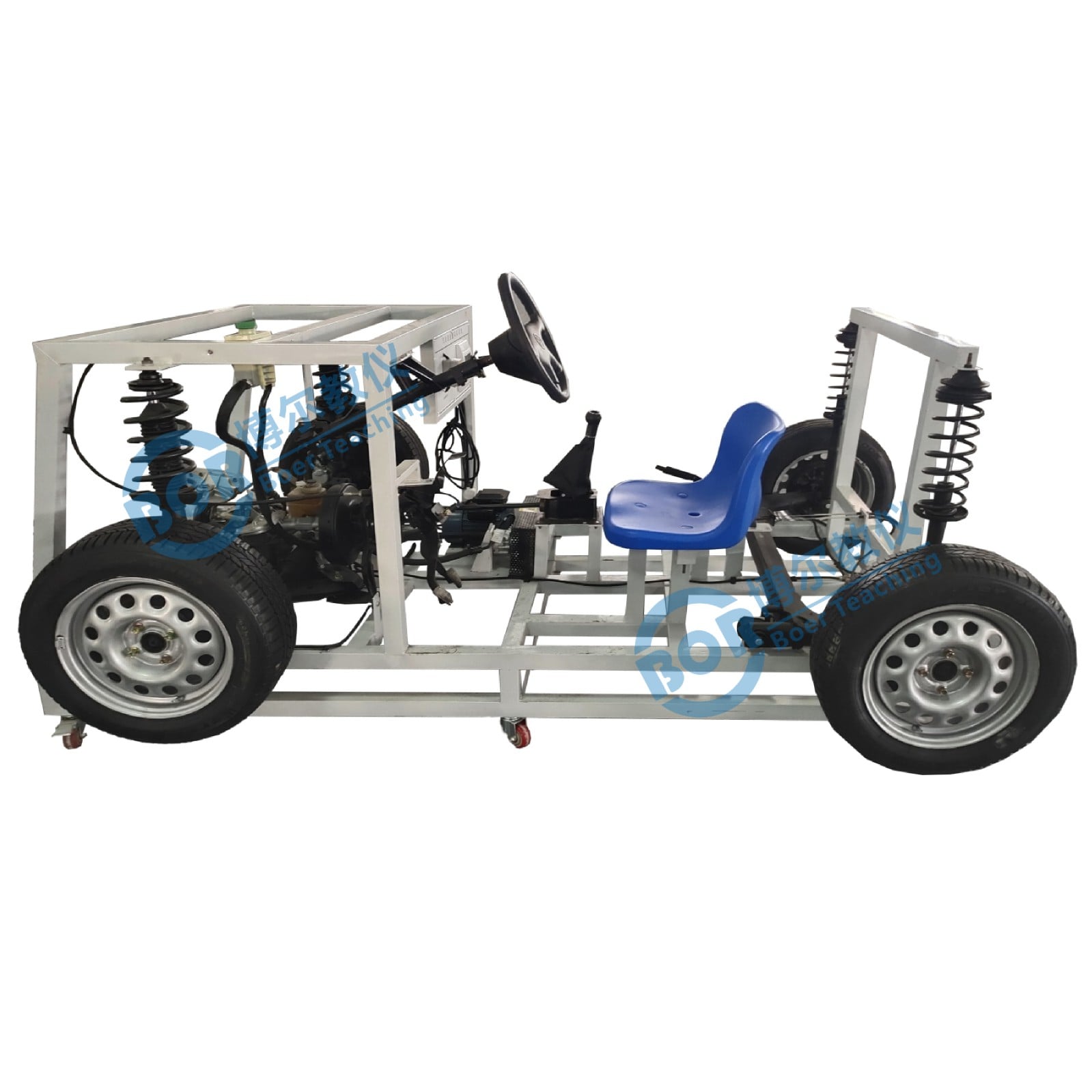
Riverside Technical College observed a 34% increase in ASE certification pass rates after replacing computer modules with eight donated vehicles in their core curriculum. The program now partners with local dealerships to provide hands-on training with modern alignment systems.
While VR systems effectively teach hybrid vehicle safety protocols, physical cars remain essential for mastering torque-sensitive tasks like wheel bearing replacement. Top programs allocate 60–70% of lab time to actual vehicle work, reserving simulations for hazardous scenarios such as high-voltage battery emergencies.
Many automotive training programs rely on donated cars to teach essential engine repair skills. Students typically take apart and put back together combustion engines anywhere from three to five times throughout their certification program. The hands-on approach really sharpens diagnostic abilities. Those who work on real donor cars make about 37 percent fewer mistakes when doing compression tests compared to classmates who only practice on simulations. Working through problems like stuck pistons or bent cylinder heads gives trainees practical experience they can immediately apply in real repair shops. These are the kinds of challenges mechanics face every day at dealerships across the country.
Today's educational programs give students hands-on experience with complete car systems, covering everything from transmission parts all the way to the onboard computers that run them. According to research published in Nature last year, techs who learned about these interconnected systems could fix complicated problems involving both electricity and mechanics about 22 percent quicker than those who studied isolated components. Schools that focus on teaching with full vehicles rather than individual parts see their graduates getting jobs at around 91% within just six months after graduation. Employers really want workers who know how different car parts work together because it makes troubleshooting much easier when something goes wrong.
With electric vehicles capturing around 19% of the global market these days, vocational schools across the country have started offering specialized training for battery management systems and regenerative braking technology. Students get hands-on experience with high voltage safety procedures, often practicing with thermal imaging equipment to spot early signs of battery wear and tear. A recent study published somewhere in the energy conversion field indicated that technicians who receive proper EV training make roughly 40-45% fewer mistakes when diagnosing problems than those trying to apply old school combustion engine knowledge. Schools that manage to secure donated parts from companies like Tesla and Hyundai tend to produce better job candidates too, with their graduates typically landing jobs paying about 18% more right out of the gate in certain markets.
Today's auto tech training focuses heavily on solving problems as they happen, working directly on real cars to spot everything from simple engine troubles all the way up to those tricky diagnostics in smart cars. Trainees get hands-on experience with equipment similar to what dealerships actually use daily. They'll handle scan tools for checking electrical stuff and pressure testers when looking at fuel system problems. According to some research published by IATSC last year, mechanics who learned on actual running vehicles managed to fix complicated driving issues about 40 percent quicker compared to folks who only practiced on simulators. The reason? Real world conditions throw curveballs nobody expects - think about old parts wearing out or weather affecting performance in ways no computer can predict.
Working together with car makers gives students hands on experience with actual vehicles that have open recalls, mixed power systems, and those fancy factory installed tracking tech. These partnerships mean trainees get to work on real problems that show up in workshop computer records, plus they learn how each brand does things differently. Take electric vehicle battery checks for instance. The latest courses actually include looking at how heat is managed in these batteries, and many programs use cars that are barely over a year old so everything's current.
Trainees transition from wiring diagrams to physically tracing circuits in vehicles with modified harnesses that mimic common corrosion or short scenarios. This tactile reinforcement helps bridge the gap between theoretical Ohm's Law calculations and practical voltage drop testing across terminals and grounds.
Today's automotive training facilities are really focused on lab spaces that can fit around 6 to 8 cars within every 1,000 square feet without compromising safety standards between work areas. The new open bay setups with those rotating stations let about 25 percent more trainees get hands on experience at once when doing things like rebuilding transmissions or checking out electric vehicle batteries, according to research from the National Institute for Automotive Service Excellence back in 2023. What makes these modern workshops stand out? Well, they incorporate several smart design elements worth noting.
This optimized layout reduces transitional downtime between tasks by 40%, allowing learners to complete 18-22 substantive repairs per 8-hour session.
Many modern training facilities have started using U-shaped work areas where different car systems like engines, heating units, and brakes are grouped together near a central area for tools. The hub-and-spoke layout cuts down on how long technicians spend looking for tools by almost two thirds when compared to old fashioned straight line setups. Shop teachers notice something interesting too: students working in these better designed spaces tend to figure out problems about 30 percent quicker. They attribute this improvement to less backache from bending over and being able to see all parts of the vehicle without obstruction. Some instructors even mention that trainees seem more focused during their diagnostics sessions in these improved environments.
 EN
EN