EN
EN
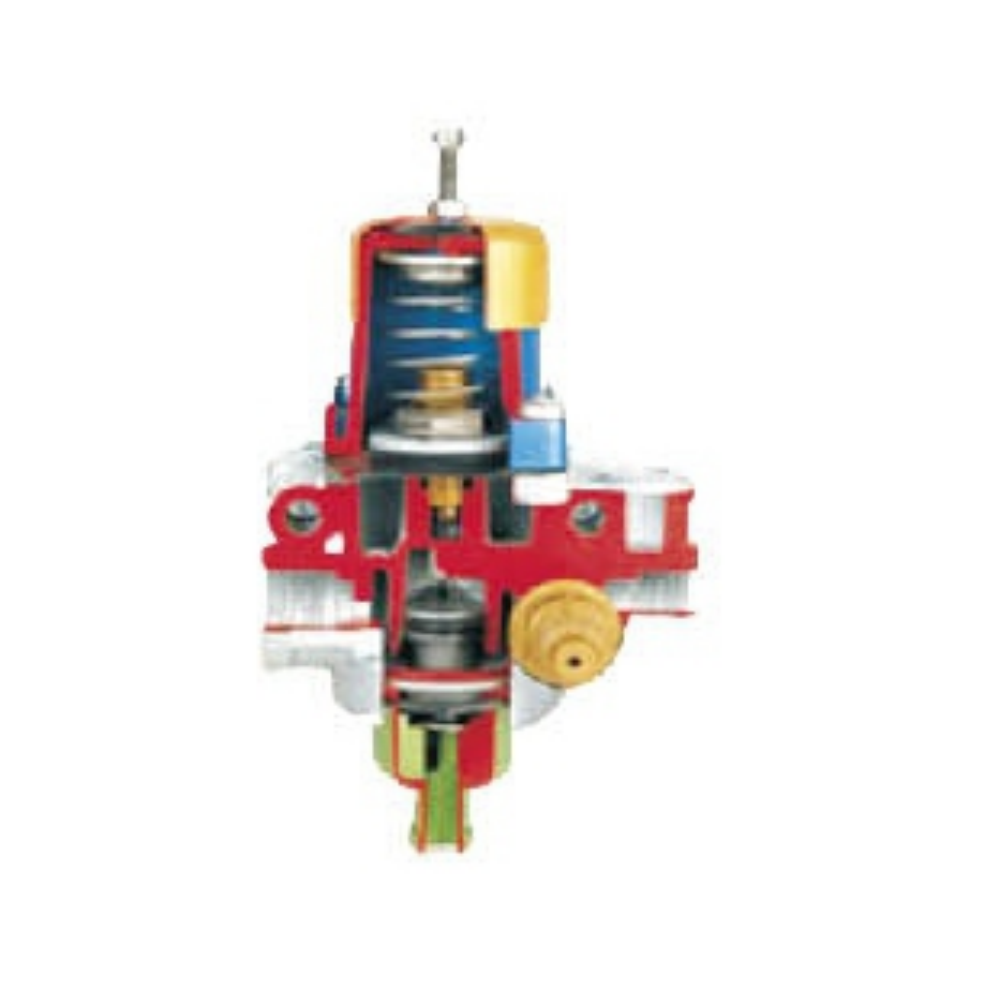
Pressure Regulator Anatomical Model
Delivery: EXW Guangzhou
Shipping Way: By Sea / Air / Express
Certification: CE/ ISO / GPSR / Copyrights / Patents...
OEM Service: Accept OEM Accept ODM
Customization: Logo / Size / Appearance / Material...
Technical Support: Software / Manual / Video / Technician
- Overview
- Recommended Products
Product Overview:
The pressure regulator dissection model is a professional teaching and training device designed specifically for vocational schools, automotive/engineering machinery training institutions, and enterprise technology centers. Based on a real pressure regulator (especially common types in automotive braking/pneumatic systems), it visually presents its internal core structure, assembly relationships, and pressure regulation working principle through precise dissection, color coding, and a stable platform integration. It is a core teaching tool that deeply integrates theoretical teaching and practical training.
Features:
1. Uses a complete pressure regulator assembly (with all accessories) for dissection, with all components present, comprehensively showcasing the assembly's internal and external structure.
2. Through dissection and different colors applied to each section, the mechanical structure of the internal and external components and their assembly relationships are clearly displayed.
3. The equipment base frame (with shock-absorbing pads) is made of 1.5mm cold-rolled steel sheet, stamped and coated. The shock-absorbing pads are fixed to the base with M6*4 screws.
Training Project:
I. Training Objective:
To accurately identify the names, locations, and functions of each component of the pressure regulator.
Understand the working process of pressure regulation, pressure holding, and pressure relief, and the routing of oil/gas circuits.
Be able to analyze typical fault phenomena and causes through dissection models.
Master disassembly and assembly specifications, measurement points, and practical training report writing.
II. Training Content
Project 1: Component Identification and Structural Understanding
Project 2: Assembly Relationships and Disassembly/Assembly Training
Project 3: Dynamic Demonstration of Working Principle (Cross-sectional Observation)
Project 4: Measurement of Key Dimensions and Clearances
Project 5: Typical Fault Simulation and Diagnosis
Project 6: Training Summary and Assessment