EN
EN
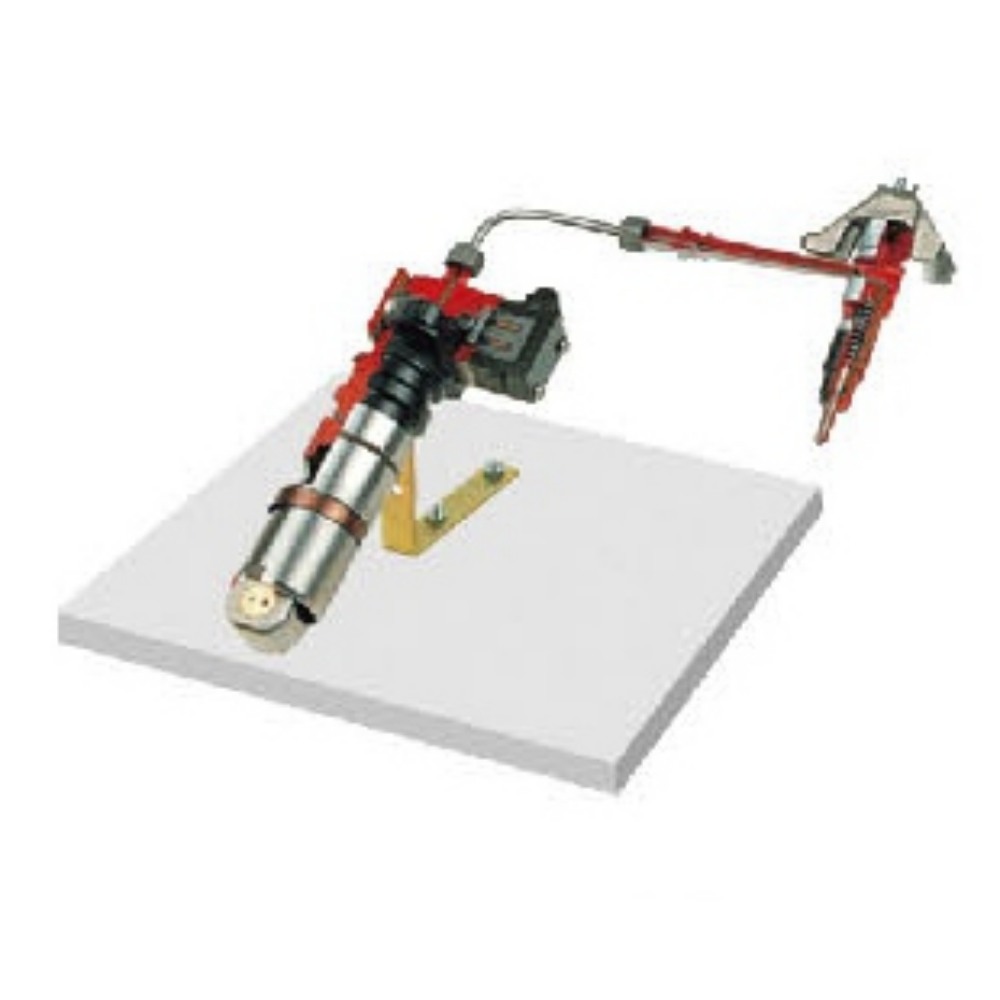
Pump-oil pipe-nozzle anatomical model
Delivery: EXW Guangzhou
Shipping Way: By Sea / Air / Express
Certification: CE/ ISO / GPSR / Copyrights / Patents...
OEM Service: Accept OEM Accept ODM
Customization: Logo / Size / Appearance / Material...
Technical Support: Software / Manual / Video / Technician
- Overview
- Recommended Products
Product Overview:
This model is a physical dissection teaching device specifically designed for automotive/internal combustion engine vocational education and enterprise maintenance training. Using the complete assembly of a diesel engine fuel injection system—pump, high-pressure fuel lines, and injectors—as a prototype, it undergoes precise sectioning and color-coding to visually demonstrate the structural components, assembly relationships, and working principles of the injection system. It is a core teaching tool for theoretical instruction, practical demonstrations, and structural understanding.
Features:
1. Dissection uses a pump-fuel line-injector assembly (with complete accessories), with all components present, comprehensively showcasing the internal and external structure of the assembly.
2. Through dissection and different colors applied to each section, the mechanical structure of the internal and external components and their assembly relationships are clearly displayed.
3. The equipment base frame (with shock-absorbing pads) is made of 1.5mm cold-rolled steel sheet, stamped and coated. The shock-absorbing pads are fixed to the base with M6*4 screws.
Training Project:
I. Training Objective: To recognize the shape, structural names, and assembly relationships of the fuel injection pump, high-pressure fuel lines, and injectors. Master the flow path and pressure transmission process of fuel from pump → fuel line → nozzle.
Be able to identify common fault locations and causes through dissecting models.
Proficiently complete assessment items such as assembly identification, pointing out, and verbally explaining working principles.
II. Training Content and Steps
Project 1: Structural Identification and Pointing Out
Project 2: Working Principle Demonstration and Verbal Explanation
Project 3: Fault Phenomenon Simulation and Analysis
Project 4: Assembly Relationships and Disassembly/Reassembly Understanding
Project 5: Training Assessment