EN
EN

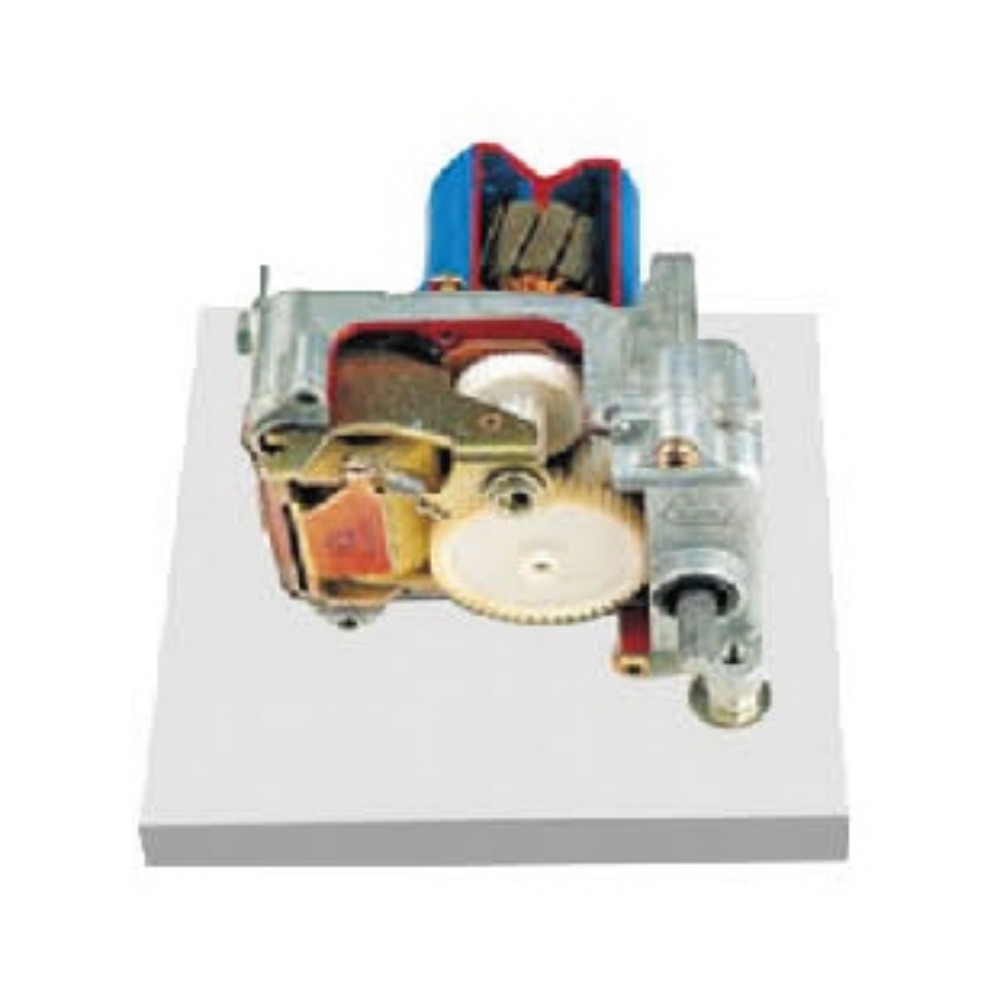
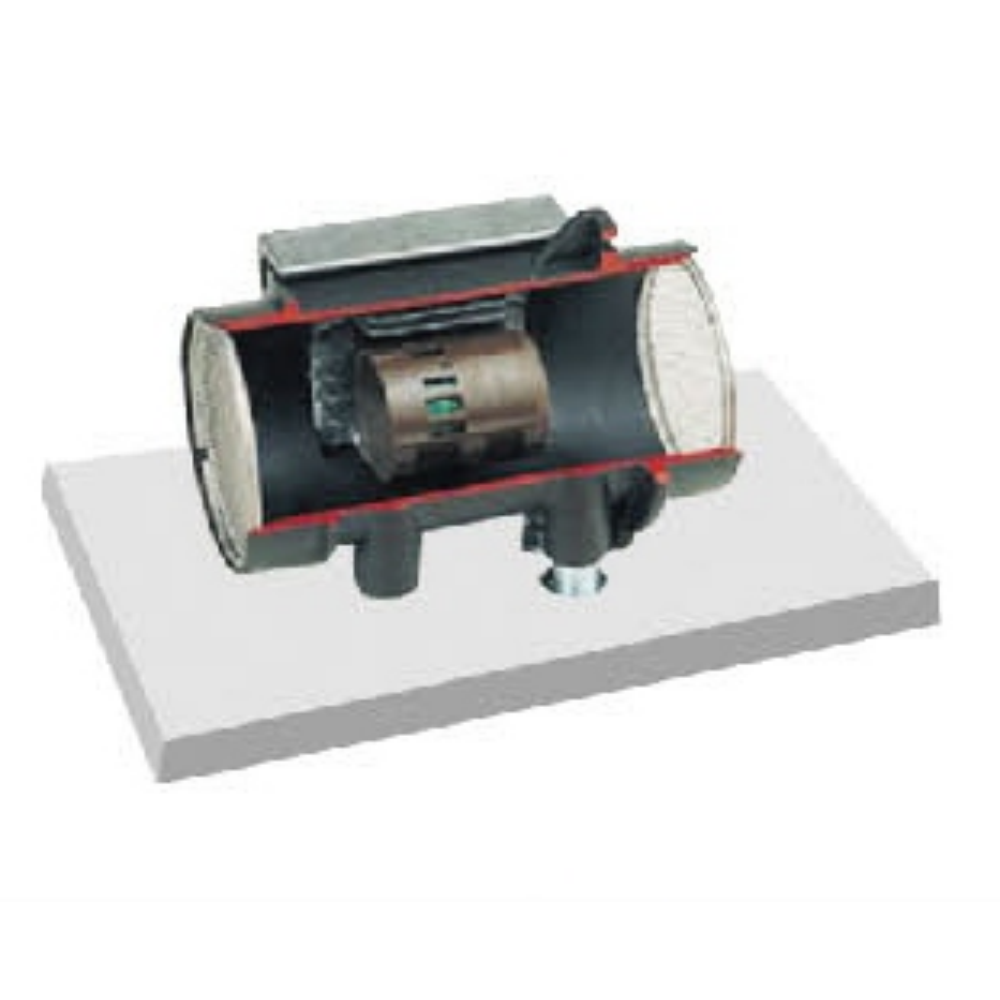
Cruise control starter dissected model
Delivery: EXW Guangzhou
Shipping Way: By Sea / Air / Express
Certification: CE/ ISO / GPSR / Copyrights / Patents...
OEM Service: Accept OEM Accept ODM
Customization: Logo / Size / Appearance / Material...
Technical Support: Software / Manual / Video / Technician
- Overview
- Recommended Products
Product Overview:
The Cruise Control Starter Dissection Model is a core integrated theory and practice teaching and training equipment specifically designed for vocational schools majoring in intelligent connected vehicles, automotive electronics, and new energy vehicles, as well as automotive repair training institutions. Based on original factory cruise control starters (including electronic, mechanical, and mainstream models adapted to modern in-vehicle network systems), this model, through precise dissection, layered cutting, and color-coded functional annotations, fully presents the complete chain structure and working principle of its signal acquisition, logic control, execution drive, and safety linkage, effectively solving the teaching pain points of traditional methods where "the control core is invisible and signal flow is difficult to simulate."
Features:
1. Dissected using a complete cruise control starter assembly (with all accessories), all components are included, comprehensively showcasing the assembly's internal and external structure.
2. Through dissection and different colors applied to each section, the mechanical structure of the internal and external components and their assembly relationships are clearly displayed.
3. The equipment base frame (with shock-absorbing pads) is made of 1.5mm cold-rolled steel sheet, stamped and coated. The shock-absorbing rubber pads are fixed to the base with M6*4 screws.
Training Project:
I. Training Objectives
Master the overall structure, circuit board layout, and names and functions of each module component of the cruise control starter.
Understand the complete workflow of signal input, logic judgment, execution output, and safety cut-off.
Be able to complete practical tasks such as switch testing, circuit measurement, and relay driving in a standardized manner.
Be able to analyze typical fault phenomena, locate fault locations, and formulate repair plans through dissecting models.
Cultivate fault diagnosis thinking and standardized operating habits in automotive electronic control systems.
II. Training Content
Project 1: System Structure and Component Identification Training
Project 2: Switch Contact and Signal Path Detection Training
Project 3: Relay Drive and Control Circuit Training
Project 4: Typical Fault Simulation and Diagnostic Analysis
Project 5: Comprehensive Disassembly, Assembly, and Wiring Training
Project 6: Training Assessment and Summary
III. Applicable Majors and Courses
Automotive Electronics Technology
Automotive Intelligent Monitoring and Network Technology
New Energy Vehicle Electronic Control System
Automotive Fault Diagnosis and Repair
Automotive Body Electronic Control System